Southeast Asia is the connective tissue of SEA Weekly. This page brings together the themes that move across borders: manufacturing shifts, logistics upgrades, consumer demand, tourism recovery, and the regional sports calendar.
ASEAN’s Q3 supply-chain map is now priced by recovery time and auditability more than nominal cheapness, and the hierarchy is already visible in this week’s corridor reporting.
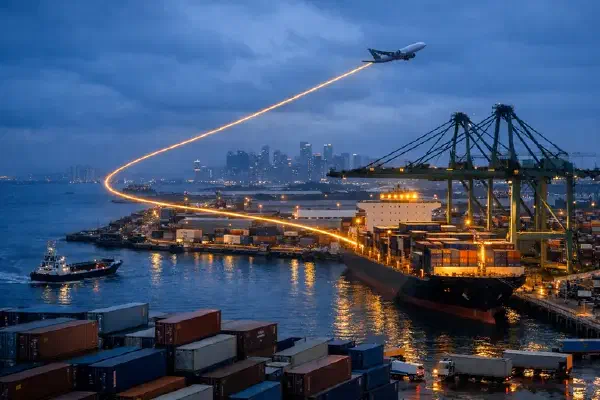
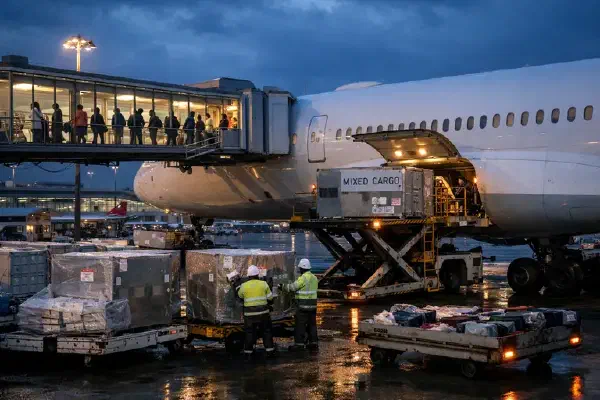
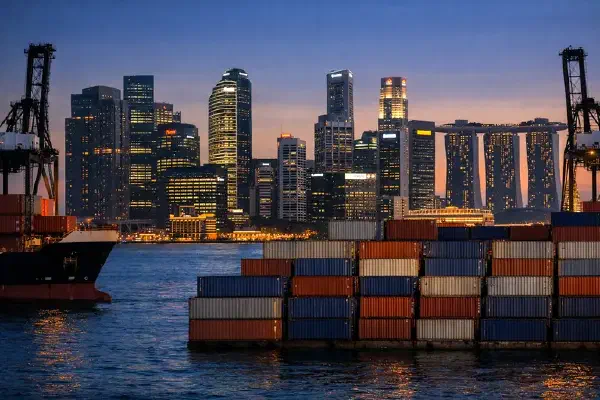
Singapore is anchoring ASEAN supply chain resilience by turning port, warehouse, air-cargo and finance integration into paid optionality as Q3 volatility rises.
Capital is available at the institutional level but not reaching ASEAN’s SME manufacturers — and Q3 freight costs are stretching cash cycles just as credit access tightens.
AI adoption in ASEAN trade finance is accelerating at the fraud and compliance layer — but the $2.5 trillion gap is unchanged because AI cannot yet reach the SME tier where the data infrastructure required for credit models barely exists.
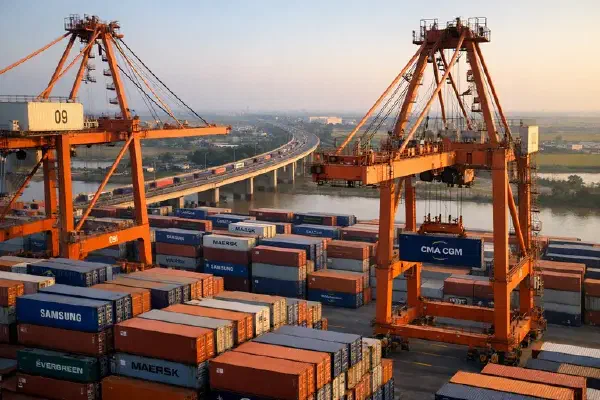
Vietnam’s manufacturing corridor race is not being won by the provinces with the most FDI — it is being won by the ones building multimodal logistics bridges to deep-water ports before capacity tightens.
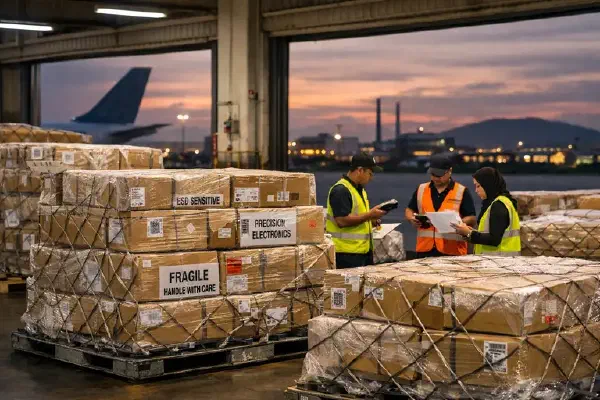
As Q3 freight rates hit 22-month highs, Malaysia’s multi-modal logistics infrastructure and lower cost burden per export dollar are re-rating the country’s electronics supply chain proposition — but the advantage belongs more to its multinational tier than to the SME supplier base.
Capital is available at the institutional level but not reaching ASEAN’s SME manufacturers — and Q3 freight costs are stretching cash cycles just as credit access tightens.
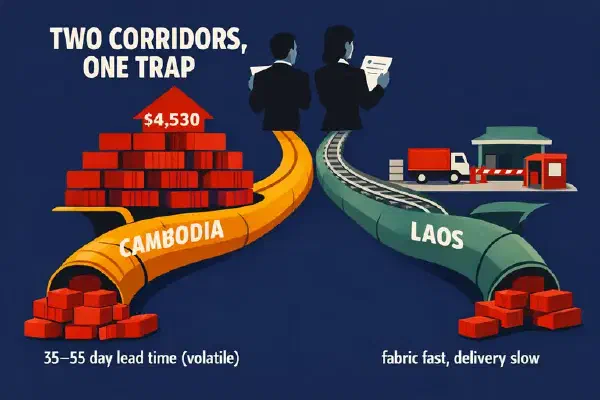
Cambodia and Laos are both under garment export pressure in H2 2026, but from opposite directions — and the window for H2 order booking is open right now.
Singapore’s banks are using sophisticated capital tools — SRTs, AI-driven credit, agentic commerce pilots — to expand trade finance capacity precisely when Q3 supply chain stress is making that capacity most valuable across ASEAN.
AI rate prediction and supply chain control towers are managing Q3 freight volatility for large ASEAN operators, but the same tools are tightening spot capacity for the SMEs who can’t afford them.
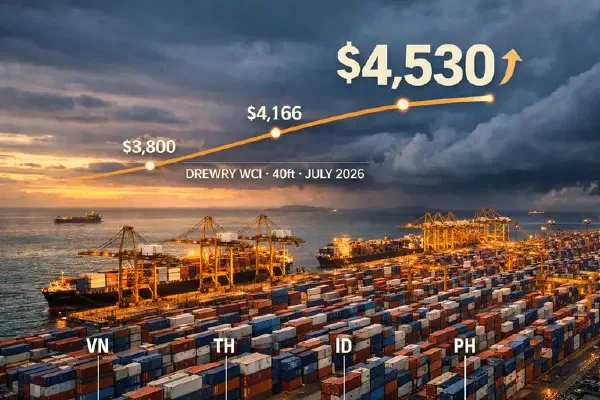
The WCI hit $4,530 on July 2 — up 9% in a single week — and the five articles SEAWeekly published this week were each calibrated against a benchmark that had already been displaced.
The three cost pressures squeezing Indonesia’s nickel downstream in H2 — freight inflation, government policy risk, and monsoon-season geography — are not hitting in sequence. They’re hitting simultaneously.
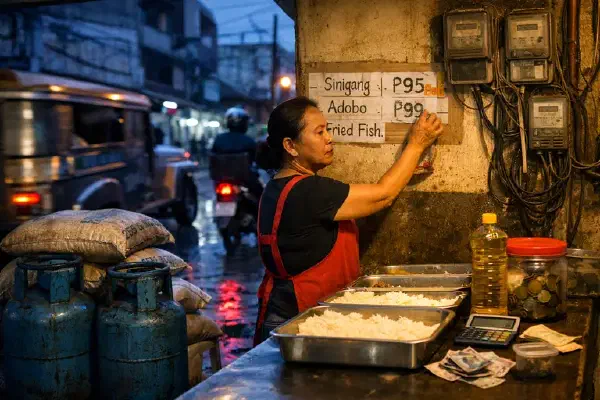
The World Bank just upgraded the Philippines to upper-middle income status. This week’s other data — 6–7% inflation, an 11-month remittance low, and 42% digital loan delinquency rates — describes a different household reality for the families most exposed to food import inflation.
Indonesia’s June CPI data shows logistics costs already feeding consumer prices. The harder truth is that the full Q3 freight pass-through doesn’t land until Q4 — exactly when ASEAN central banks expect room to normalise.
Thailand’s Laem Chabang meets its most dangerous Q3 window in years: queuing premiums already running before the first monsoon squall, rates at 22-month highs, and a manufacturing sector in contraction heading into peak disruption season.
Vietnam’s factory expansion is real. But the PMI headline at 52.8 is being carried by domestic safety-stock orders, not committed export bookings. The export order sub-index only barely turned positive in May. Until forward order depth improves, the H2 ASEAN export recovery thesis remains provisional — and Vietnam’s factory corridor is the clearest place to read that signal.