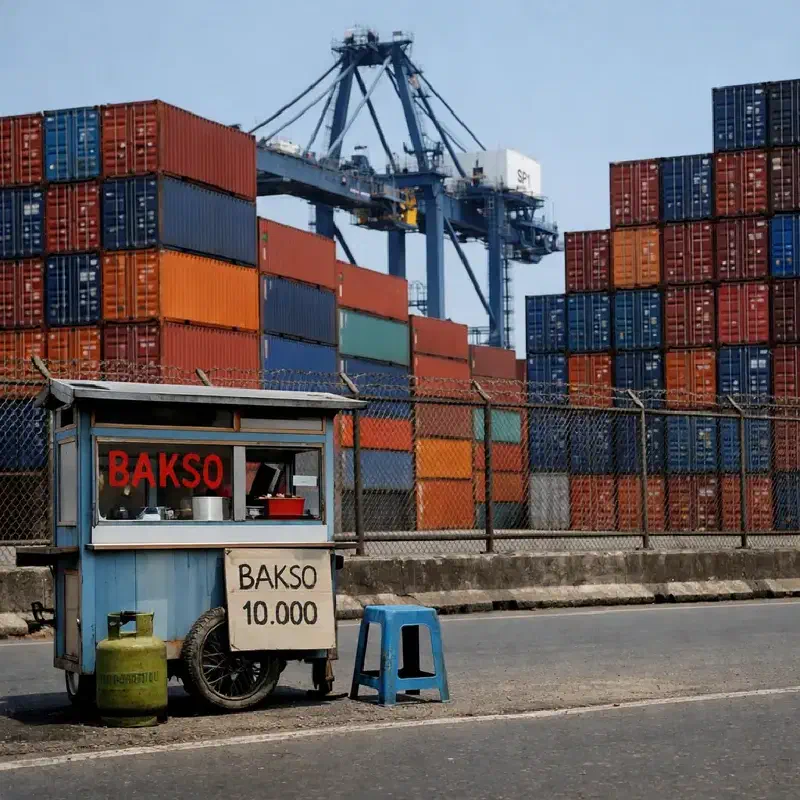
Indonesia is Southeast Asia’s largest economy and the world’s fourth most populous country, with around 280 million people spread across more than 17,000 islands. Its commodity wealth — nickel, palm oil, coal, and copper — underpins a resource-processing industrial base, while a fast-growing domestic consumer market and vibrant fintech sector are reshaping finance and retail. Jakarta remains the primary business hub ahead of a phased capital relocation to Nusantara in East Kalimantan, and the archipelago’s diversity fuels one of the region’s most compelling travel propositions.
ASEAN’s Q3 supply-chain map is now priced by recovery time and auditability more than nominal cheapness, and the hierarchy is already visible in this week’s corridor reporting.
Both Thailand and Indonesia are contracting in manufacturing in Q3, but Indonesia’s cost-push signature is eroding its wage advantage — and supply chain buyers are choosing Thailand’s predictability over Indonesia’s lower baseline.
ASEAN’s logistics and freight signals are now the most informative leading indicators for H2 growth — they move weeks ahead of trade volumes, months ahead of GDP revisions, and the differential across economies is already in this season’s order books.
AI adoption in ASEAN trade finance is accelerating at the fraud and compliance layer — but the $2.5 trillion gap is unchanged because AI cannot yet reach the SME tier where the data infrastructure required for credit models barely exists.
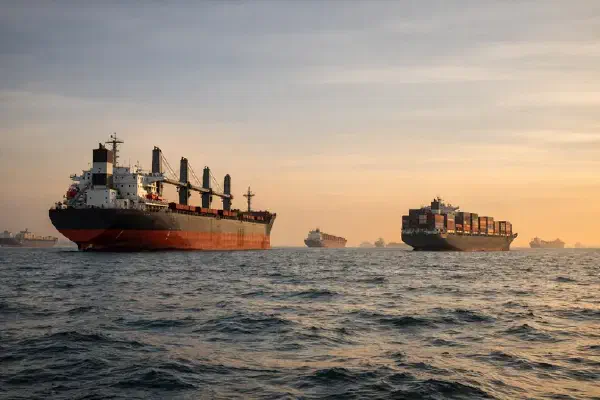
Indonesia and the Philippines are squeezing ASEAN’s vessel pool from opposite sides of the commodity chain in Q3 — and neither alone would do it, but together, in monsoon season, they are.
Capital is available at the institutional level but not reaching ASEAN’s SME manufacturers — and Q3 freight costs are stretching cash cycles just as credit access tightens.
AI rate prediction and supply chain control towers are managing Q3 freight volatility for large ASEAN operators, but the same tools are tightening spot capacity for the SMEs who can’t afford them.
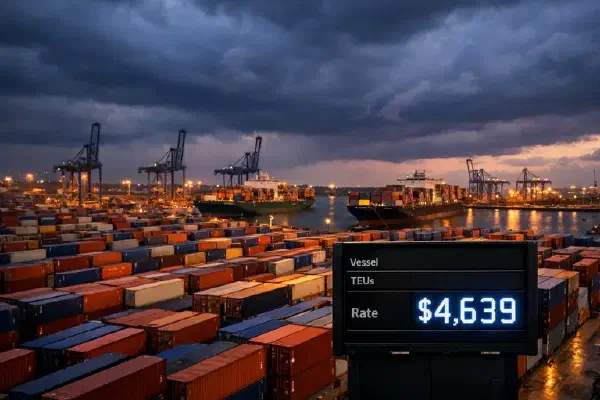
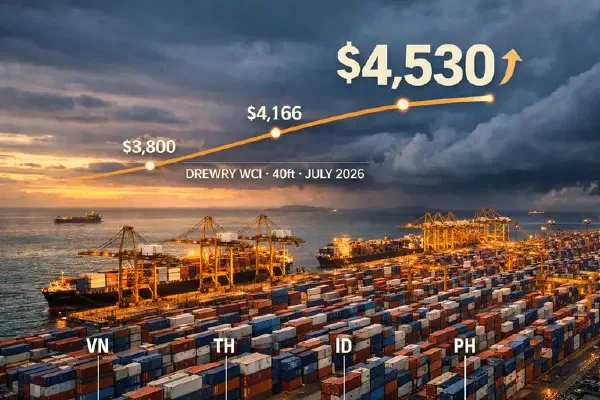
The WCI hit $4,530 on July 2 — up 9% in a single week — and the five articles SEAWeekly published this week were each calibrated against a benchmark that had already been displaced.
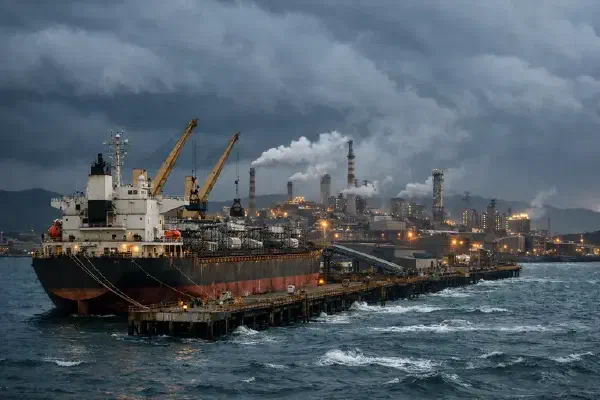
The three cost pressures squeezing Indonesia’s nickel downstream in H2 — freight inflation, government policy risk, and monsoon-season geography — are not hitting in sequence. They’re hitting simultaneously.
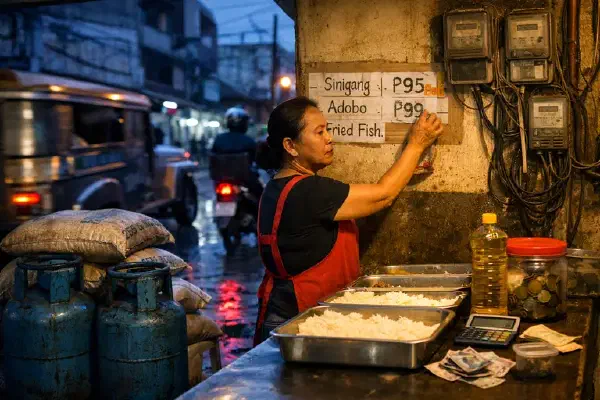
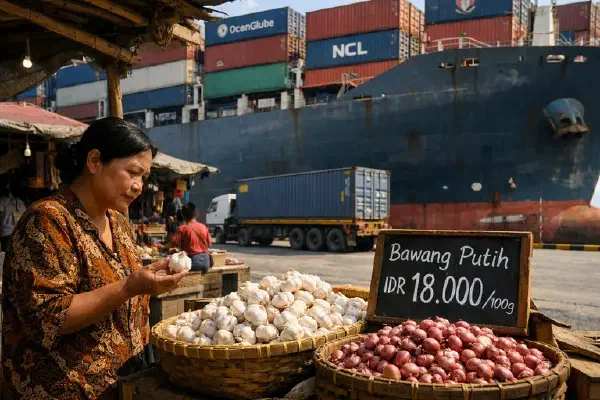
Indonesia’s June CPI data shows logistics costs already feeding consumer prices. The harder truth is that the full Q3 freight pass-through doesn’t land until Q4 — exactly when ASEAN central banks expect room to normalise.
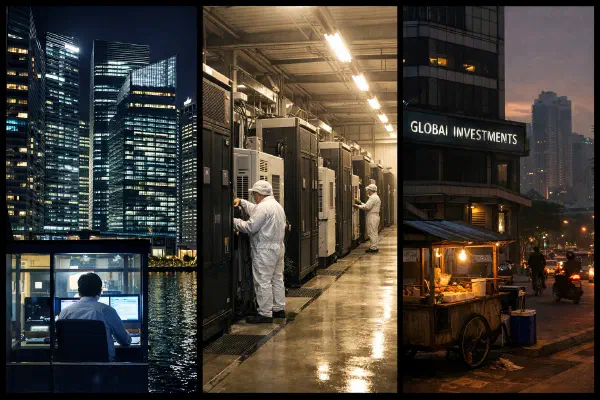
Three simultaneous repricing events are settling ASEAN’s H2 capital map. Thailand has emerged as the surprise winner — not through tourism or domestic consumption, but through AI data centre infrastructure. Indonesia’s governance premium is now a hard market fact. Singapore’s institutional moat is actively widening. The H2 growth competition was won on institutional quality, not growth rate.