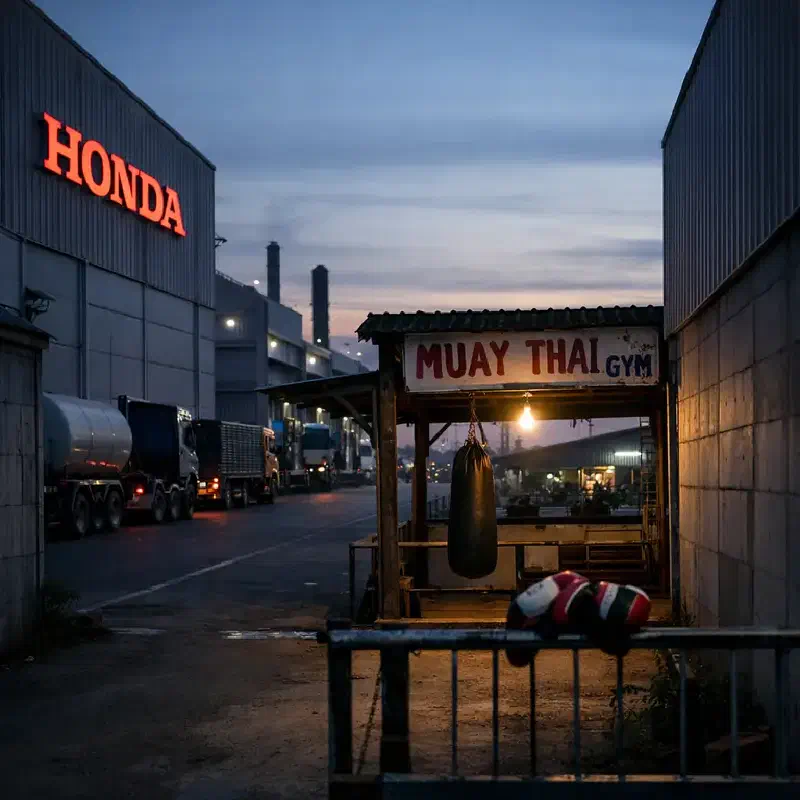
Thailand is Southeast Asia’s second largest economy, with a population of around 70 million and a highly diversified industrial base anchored by automotive manufacturing, food processing, and electronics. The country is consistently the most visited in the region, with Bangkok ranking among Asia’s top city destinations and coastal resorts in Phuket, Koh Samui, and Krabi sustaining a premium hospitality sector. Consumer credit, retail banking, and tourism-linked financial services drive domestic finance stories, while Muay Thai, football, and Formula E motorsport generate significant commercial and media value.
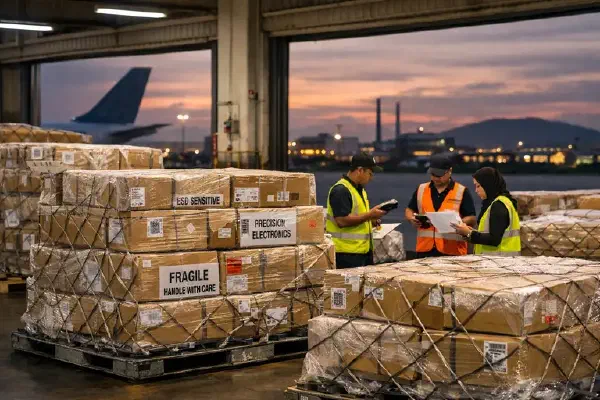
ASEAN’s Q3 supply-chain map is now priced by recovery time and auditability more than nominal cheapness, and the hierarchy is already visible in this week’s corridor reporting.
Both Thailand and Indonesia are contracting in manufacturing in Q3, but Indonesia’s cost-push signature is eroding its wage advantage — and supply chain buyers are choosing Thailand’s predictability over Indonesia’s lower baseline.
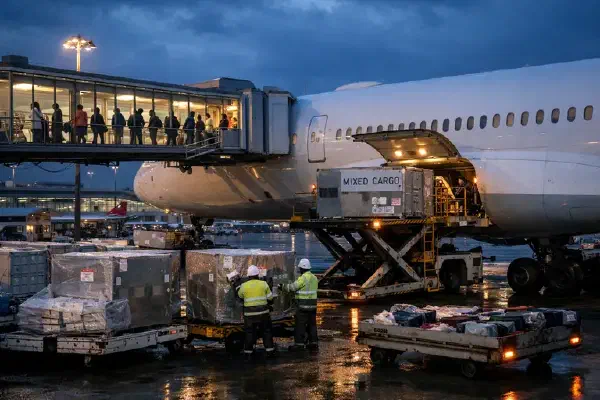
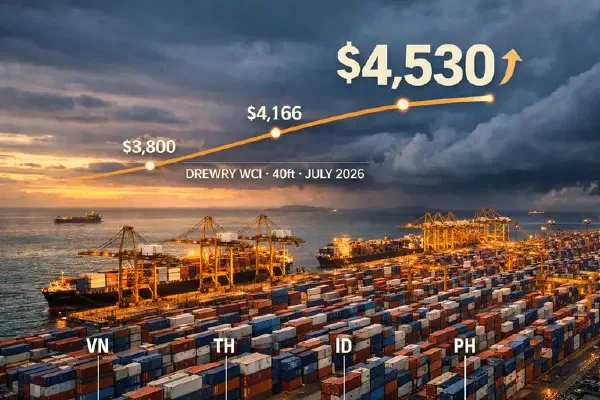
As Q3 freight rates hit 22-month highs, Malaysia’s multi-modal logistics infrastructure and lower cost burden per export dollar are re-rating the country’s electronics supply chain proposition — but the advantage belongs more to its multinational tier than to the SME supplier base.
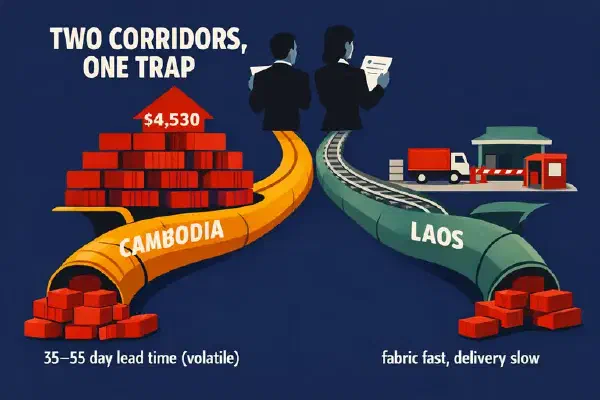
Cambodia and Laos are both under garment export pressure in H2 2026, but from opposite directions — and the window for H2 order booking is open right now.
AI rate prediction and supply chain control towers are managing Q3 freight volatility for large ASEAN operators, but the same tools are tightening spot capacity for the SMEs who can’t afford them.
The WCI hit $4,530 on July 2 — up 9% in a single week — and the five articles SEAWeekly published this week were each calibrated against a benchmark that had already been displaced.
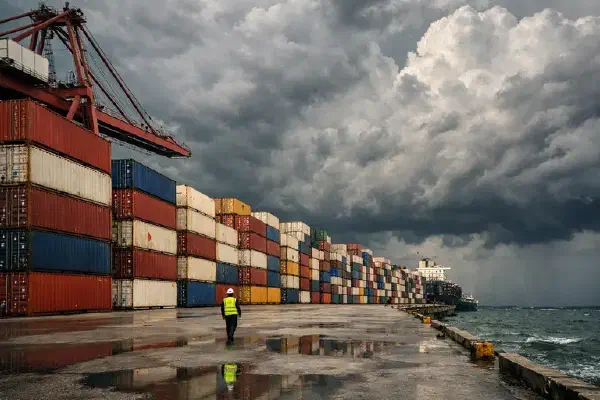
Thailand’s Laem Chabang meets its most dangerous Q3 window in years: queuing premiums already running before the first monsoon squall, rates at 22-month highs, and a manufacturing sector in contraction heading into peak disruption season.
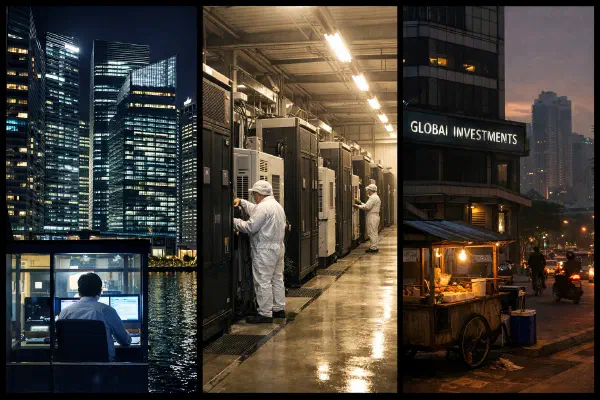
Three simultaneous repricing events are settling ASEAN’s H2 capital map. Thailand has emerged as the surprise winner — not through tourism or domestic consumption, but through AI data centre infrastructure. Indonesia’s governance premium is now a hard market fact. Singapore’s institutional moat is actively widening. The H2 growth competition was won on institutional quality, not growth rate.
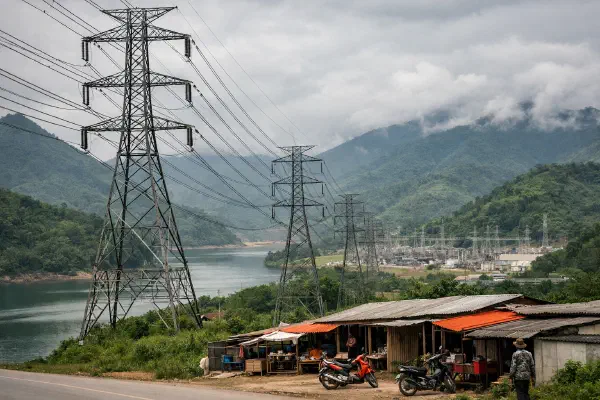
Laos is becoming more important to ASEAN’s power grid, but export scale alone will not repair the balance sheet unless Laos captures more value from transmission, PPAs, and domestic grid reform.