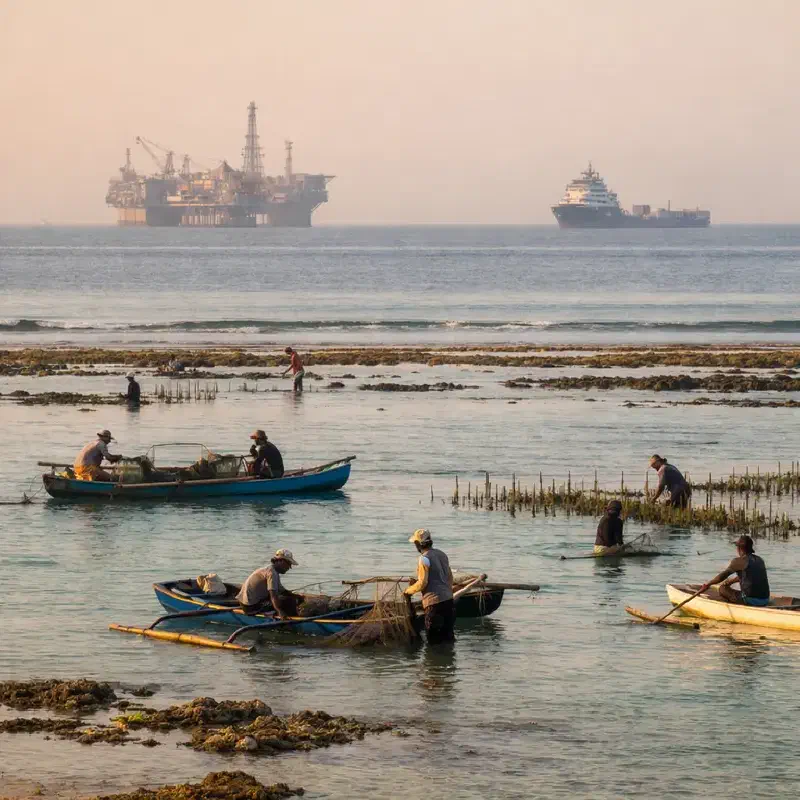
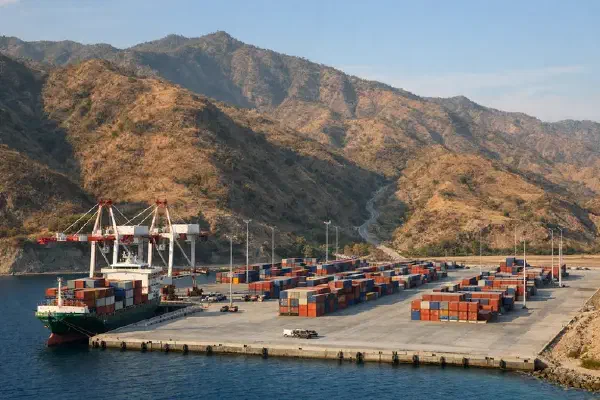
Timor-Leste (also known as East Timor) occupies the eastern half of Timor island and nearby outlying isles. A young nation rebuilt after decades of conflict, its economy has been shaped by offshore oil and gas revenues from the Timor Sea, alongside smallholder coffee production and artisanal fisheries. The country’s dramatic coastline, coral reefs and island dive spots such as Atauro are drawing niche adventure and conservation tourism, even as policymakers work to convert finite petroleum rents into longer-term development, expand public services, and strengthen regional maritime ties.
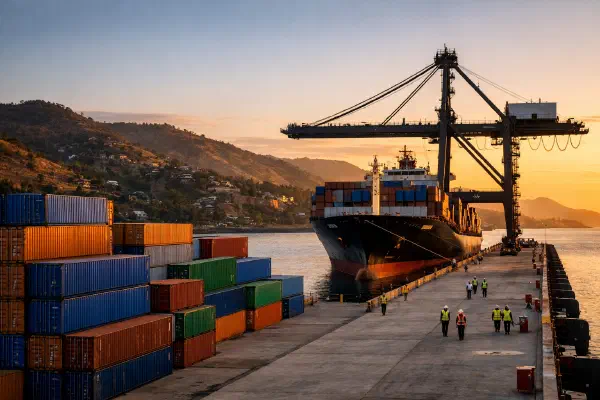
ASEAN’s Q3 supply-chain map is now priced by recovery time and auditability more than nominal cheapness, and the hierarchy is already visible in this week’s corridor reporting.
Timor-Leste has ASEAN membership, a credible sovereign wealth fund, and a functioning PPP — the question is whether these can attract sufficient private capital before the Petroleum Fund depletion timeline binds.
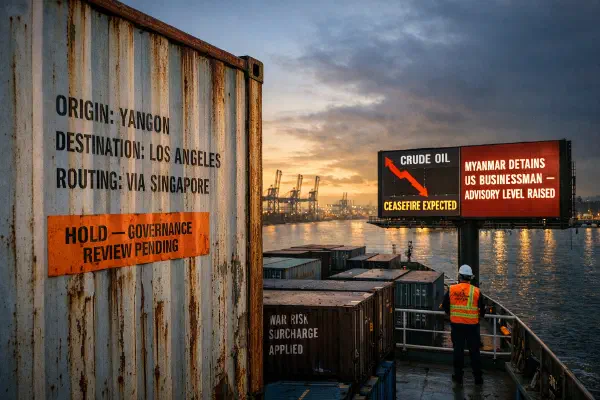
The US-Iran peace deal is the best supply chain news ASEAN frontier markets have had all year. But governance risk is now repricing upward on its own axis, and the net premium may not fall as much as logistics alone would suggest.
Indonesia’s banks are in their best-ever shape, but rupiah defense is creating a credit transmission failure that will define ASEAN lending patterns through H2 2026.