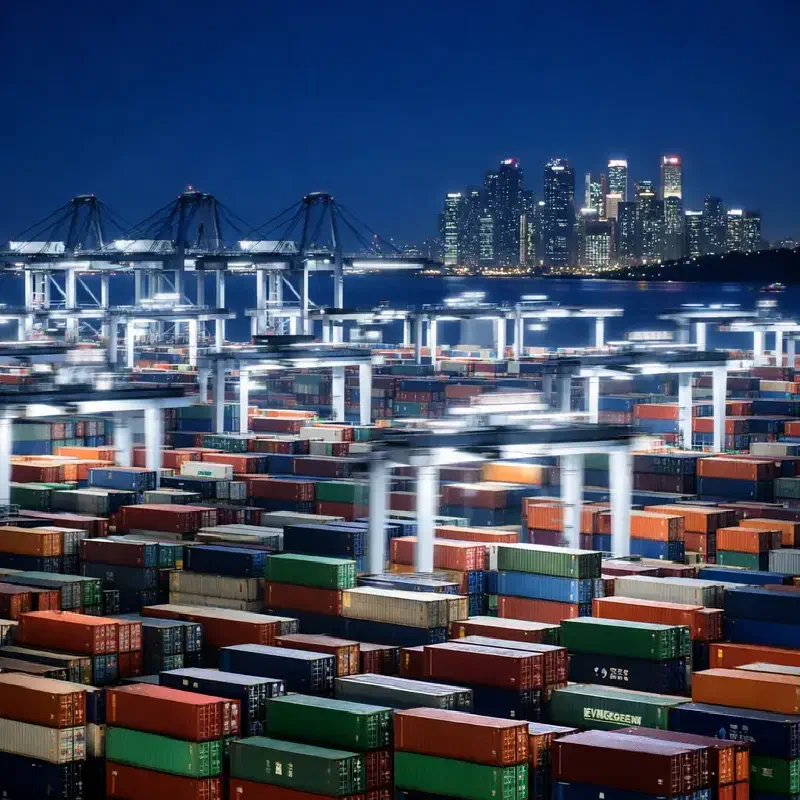
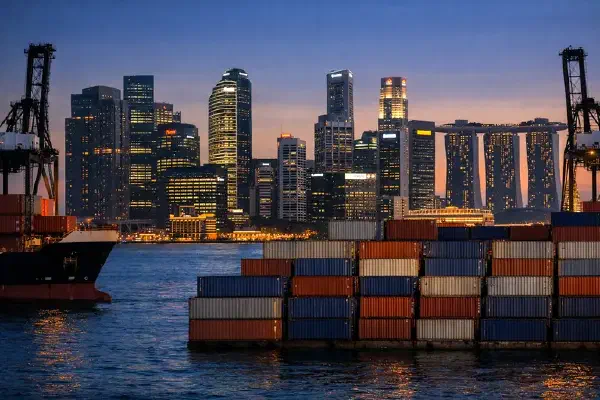
Singapore is a city-state of roughly 5.9 million people that functions as the financial, logistics, and innovation capital of Southeast Asia. Its port is consistently ranked among the world’s busiest container terminals, Changi Airport serves as a primary regional hub, and the Monetary Authority of Singapore regulates one of Asia’s deepest capital markets. A concentration of wealth management, fund domiciling, and fintech licensing makes Singapore the default base for regional financial operations, while the Formula 1 night race, major conferences, and luxury hospitality underpin a high-yield business-travel economy.
ASEAN’s Q3 supply-chain map is now priced by recovery time and auditability more than nominal cheapness, and the hierarchy is already visible in this week’s corridor reporting.
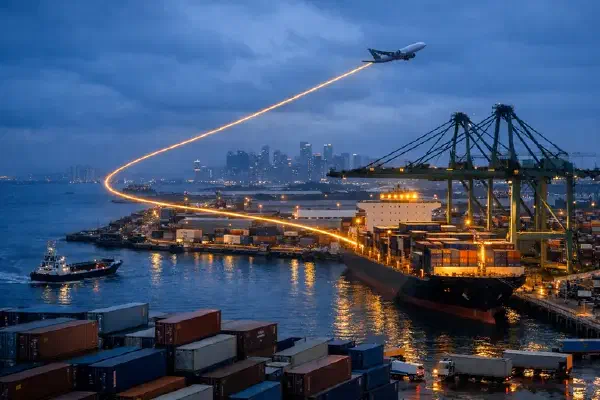
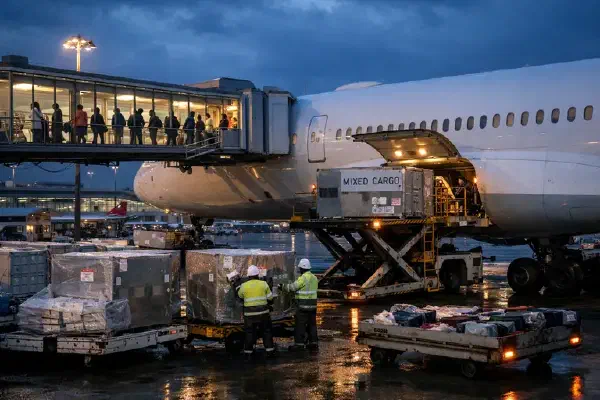
Singapore is anchoring ASEAN supply chain resilience by turning port, warehouse, air-cargo and finance integration into paid optionality as Q3 volatility rises.
ASEAN’s logistics and freight signals are now the most informative leading indicators for H2 growth — they move weeks ahead of trade volumes, months ahead of GDP revisions, and the differential across economies is already in this season’s order books.
AI adoption in ASEAN trade finance is accelerating at the fraud and compliance layer — but the $2.5 trillion gap is unchanged because AI cannot yet reach the SME tier where the data infrastructure required for credit models barely exists.
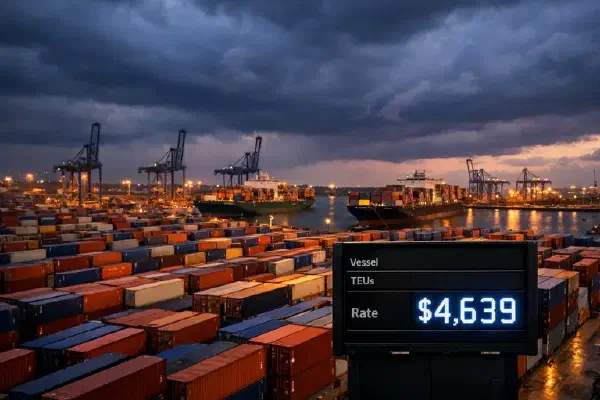
As Q3 freight rates hit 22-month highs, Malaysia’s multi-modal logistics infrastructure and lower cost burden per export dollar are re-rating the country’s electronics supply chain proposition — but the advantage belongs more to its multinational tier than to the SME supplier base.
Capital is available at the institutional level but not reaching ASEAN’s SME manufacturers — and Q3 freight costs are stretching cash cycles just as credit access tightens.
Singapore’s banks are using sophisticated capital tools — SRTs, AI-driven credit, agentic commerce pilots — to expand trade finance capacity precisely when Q3 supply chain stress is making that capacity most valuable across ASEAN.
AI rate prediction and supply chain control towers are managing Q3 freight volatility for large ASEAN operators, but the same tools are tightening spot capacity for the SMEs who can’t afford them.
Three simultaneous repricing events are settling ASEAN’s H2 capital map. Thailand has emerged as the surprise winner — not through tourism or domestic consumption, but through AI data centre infrastructure. Indonesia’s governance premium is now a hard market fact. Singapore’s institutional moat is actively widening. The H2 growth competition was won on institutional quality, not growth rate.
Singapore is winning ASEAN capital-flow positioning because Brunei has hard-currency credibility and sovereign wealth, but not the intermediation layer global money pays for.
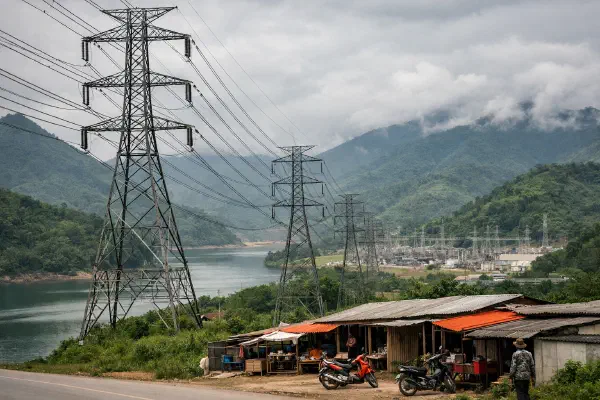
Laos is becoming more important to ASEAN’s power grid, but export scale alone will not repair the balance sheet unless Laos captures more value from transmission, PPAs, and domestic grid reform.