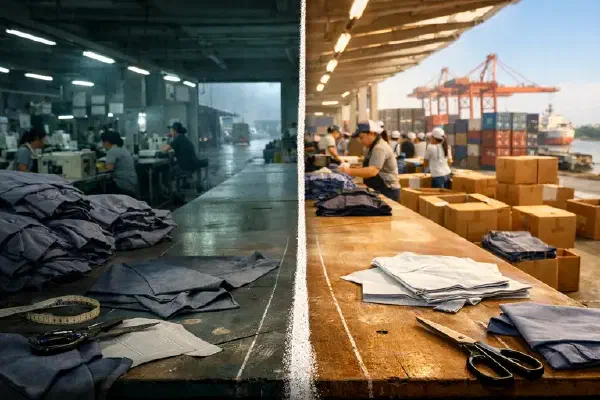
Myanmar is a resource-rich country of around 54 million people with a strategic location bridging South Asia, China, and Southeast Asia. SEA Weekly’s coverage operates strictly within a non-political editorial brief, concentrating on trade-facing industry, local commercial activity, tourism potential, and sports stories with measurable economic impact. Yangon’s manufacturing clusters — particularly garments and light industry — remain the primary lens for business reporting, while Bagan, Inle Lake, and Mandalay anchor the travel and hospitality narrative.
Myanmar remains cheaper on wages, but Cambodia is winning 2026 garment orders because buyers can still audit, insure and ship its corridor with less risk.
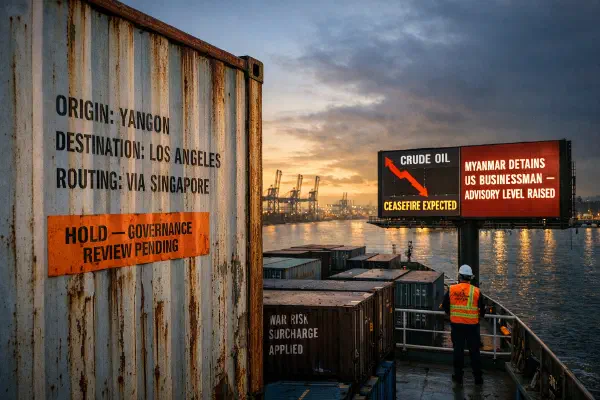
The US-Iran peace deal is the best supply chain news ASEAN frontier markets have had all year. But governance risk is now repricing upward on its own axis, and the net premium may not fall as much as logistics alone would suggest.
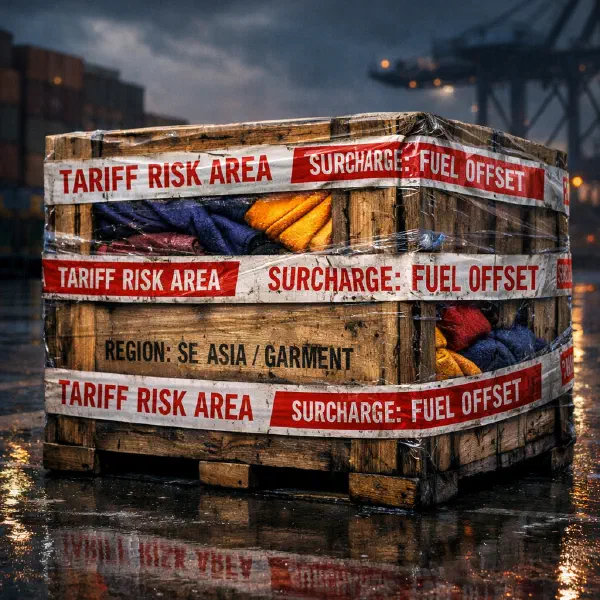
Southeast Asia’s garment sector is facing a reckoning where the savings of low-cost manufacturing are being erased by “Logistics Entropy”—the combined cost of surging fuel, worker safety crises, and unpredictable US trade policy. Cambodia is repositioning as a “stable but expensive” hub, while Myanmar is increasingly viewed as a “no-go” zone for all but the most risk-tolerant.