Travel coverage highlights where people are going, how they are getting there, what new hotels and routes are opening, and why destination demand is changing. Southeast Asia welcomed over 130 million international arrivals in the years before the pandemic disruption and is on a sustained recovery and growth trajectory, driven by a low-cost aviation network that is the densest in the world, a pipeline of premium resort and urban hotel openings, and rising intra-regional travel by an expanding middle class. From ultra-luxury Maldives-style resorts in the Andaman Sea to budget backpacker circuits through mainland Indochina, the region offers one of the world’s most commercially complex travel propositions.
Visitor volumes: Thailand, Malaysia, and Singapore consistently lead ASEAN in international arrivals; Vietnam and the Philippines are the fastest-growing inbound markets
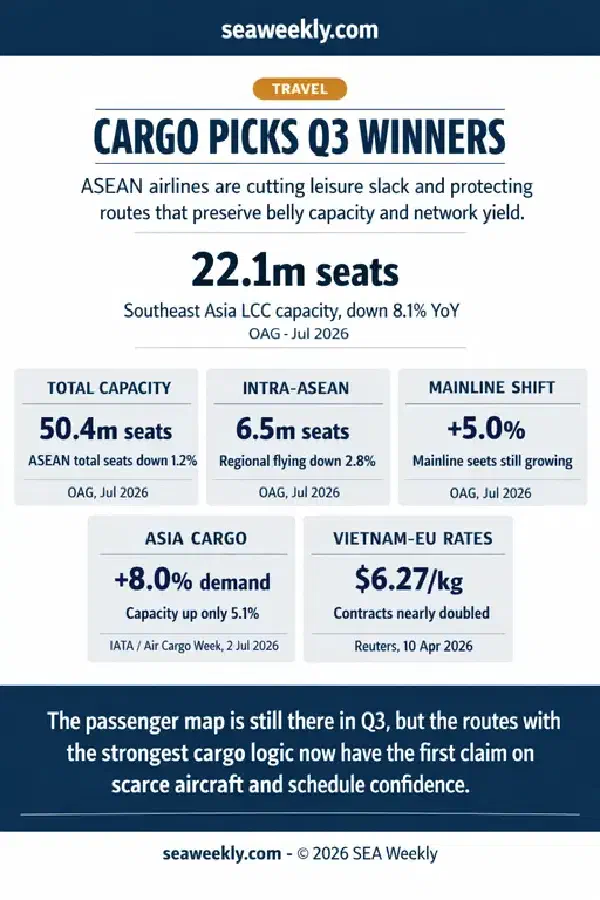
Low-cost aviation: AirAsia, Lion Air, VietJet, and Cebu Pacific operate one of the world’s densest LCC networks, keeping intra-regional fares competitive and stimulating new demand
Hotel pipeline: Major international brands (Marriott, IHG, Accor, Hyatt) have extensive ASEAN development pipelines; branded luxury properties are expanding into second-tier cities and island destinations
Cruise growth: Singapore and Bali are established homeports; Vietnam and the Philippines are emerging cruise destinations as lines expand Asia itineraries
Visa liberalisation: ASEAN visa-on-arrival and e-visa expansions, along with bilateral exemptions, are a recurring editorial driver of inbound tourism demand shifts
Thailand is actively raising prices across airlines and hotels and demand holds. The Philippines’ high per-visitor yield is a supply constraint, not a strategy — and the distinction is the most important signal in ASEAN tourism right now.
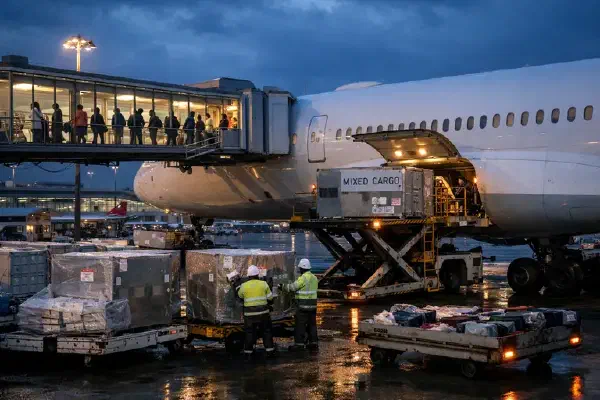
Airlines across Southeast Asia are reshaping regional mobility by deploying new aircraft to secondary cities, bypassing saturated megahubs ahead of the Q3 peak.
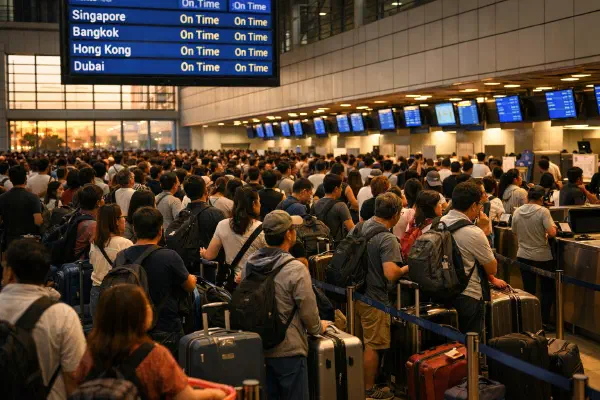
Philippine aviation demand is surging but infrastructure constraints and visa barriers mean the benefits are increasingly captured by ASEAN competitors with better capacity to serve high-yield travellers.
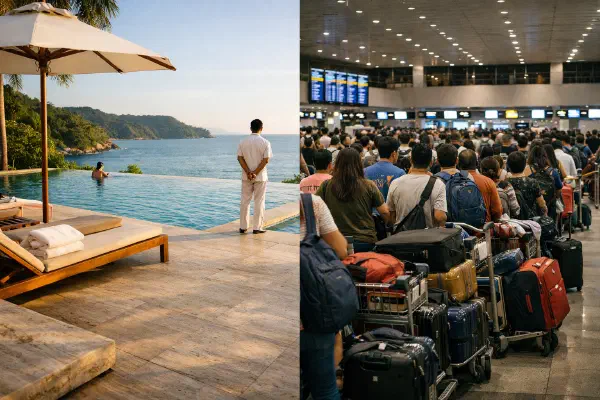
Thailand is betting that fewer, higher-spending tourists can deliver more total revenue than the mass-market model. The luxury segment is genuinely winning on rate — Anantara properties posted a 23% RevPAR gain in Q1, and Phuket’s northern premium belt is operating at ADRs 43% above recent norms. But the volume side is deteriorating faster than the premium side is growing, and MICE — the sector supposed to anchor the high-yield strategy — is being hit by geopolitical disruption. The real winners in 2026 are operators who built structural advantages before TAT changed its messaging.