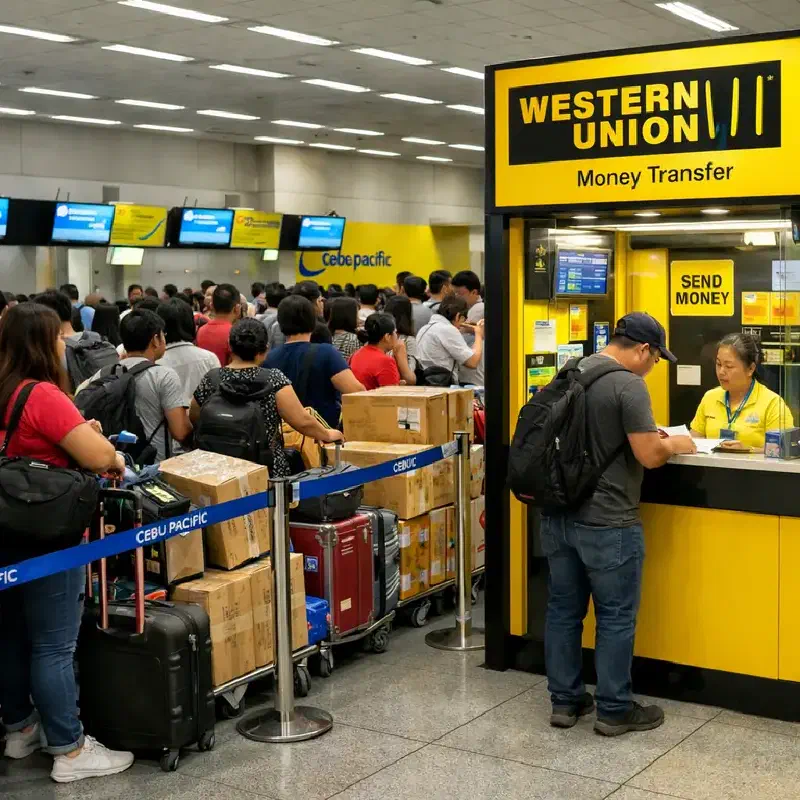
The Philippines is an archipelago of more than 7,600 islands with a population approaching 115 million, making it the second most populous country in Southeast Asia. Its business process outsourcing industry generates billions of dollars in annual revenue and supports a large urban middle class, while overseas remittances — one of the highest in the world relative to GDP — drive consumer spending and financial inclusion. Island tourism across Palawan, Cebu, and Siargao is growing quickly, and basketball’s extraordinary popularity creates a uniquely deep sports media economy.
ASEAN’s logistics and freight signals are now the most informative leading indicators for H2 growth — they move weeks ahead of trade volumes, months ahead of GDP revisions, and the differential across economies is already in this season’s order books.
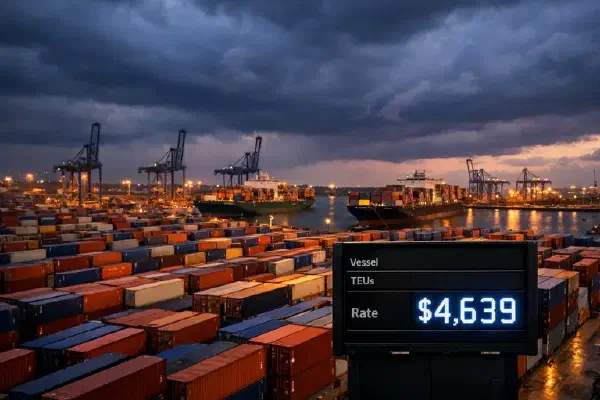
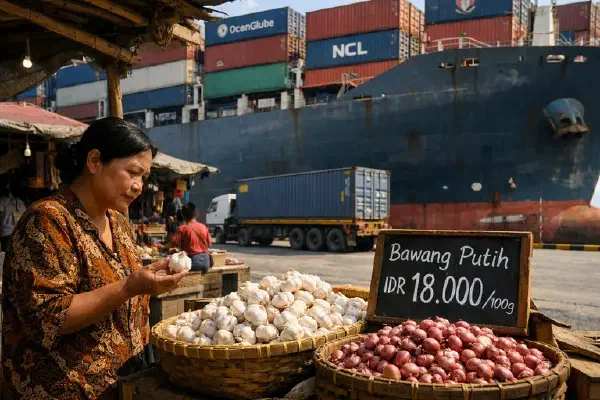
Indonesia and the Philippines are squeezing ASEAN’s vessel pool from opposite sides of the commodity chain in Q3 — and neither alone would do it, but together, in monsoon season, they are.
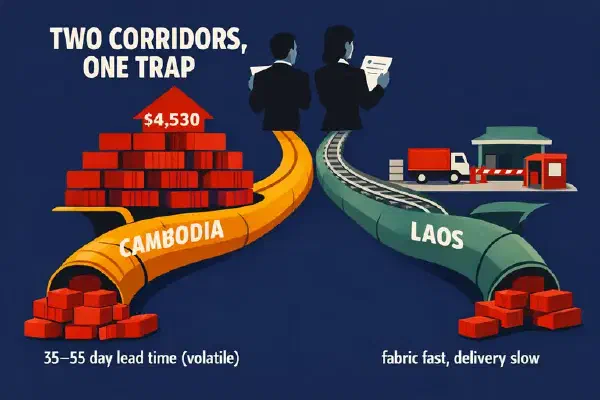
Cambodia and Laos are both under garment export pressure in H2 2026, but from opposite directions — and the window for H2 order booking is open right now.
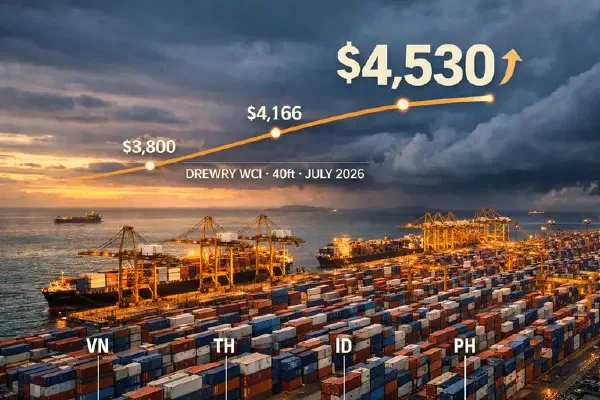
The WCI hit $4,530 on July 2 — up 9% in a single week — and the five articles SEAWeekly published this week were each calibrated against a benchmark that had already been displaced.
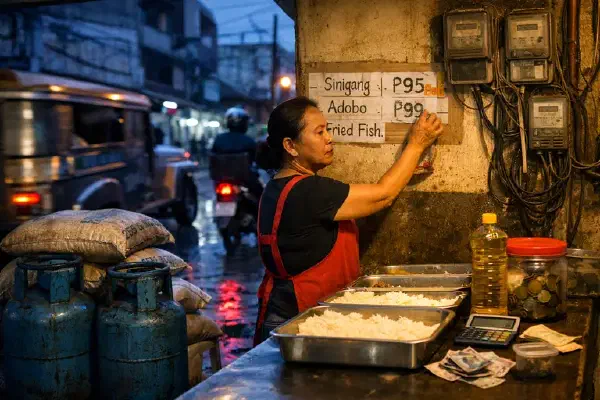
The World Bank just upgraded the Philippines to upper-middle income status. This week’s other data — 6–7% inflation, an 11-month remittance low, and 42% digital loan delinquency rates — describes a different household reality for the families most exposed to food import inflation.
Indonesia’s June CPI data shows logistics costs already feeding consumer prices. The harder truth is that the full Q3 freight pass-through doesn’t land until Q4 — exactly when ASEAN central banks expect room to normalise.
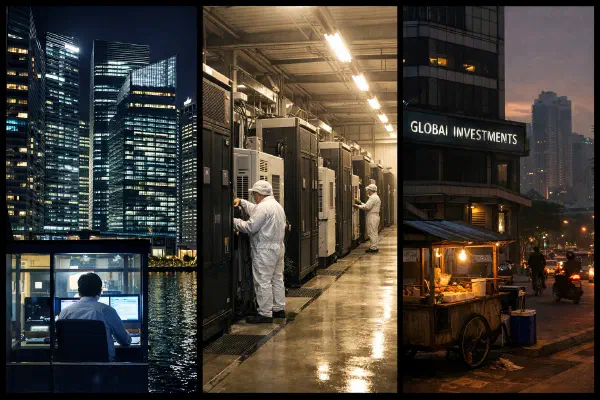
Three simultaneous repricing events are settling ASEAN’s H2 capital map. Thailand has emerged as the surprise winner — not through tourism or domestic consumption, but through AI data centre infrastructure. Indonesia’s governance premium is now a hard market fact. Singapore’s institutional moat is actively widening. The H2 growth competition was won on institutional quality, not growth rate.
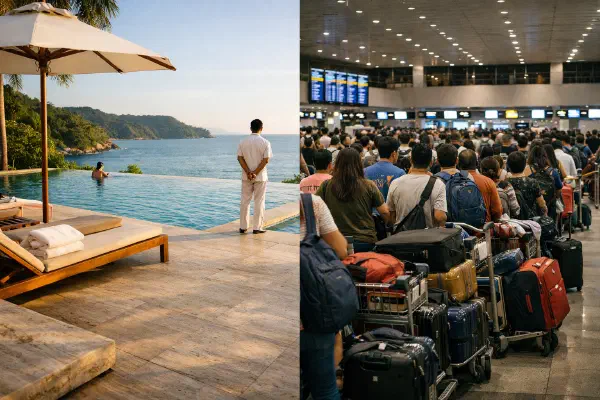
Thailand is actively raising prices across airlines and hotels and demand holds. The Philippines’ high per-visitor yield is a supply constraint, not a strategy — and the distinction is the most important signal in ASEAN tourism right now.
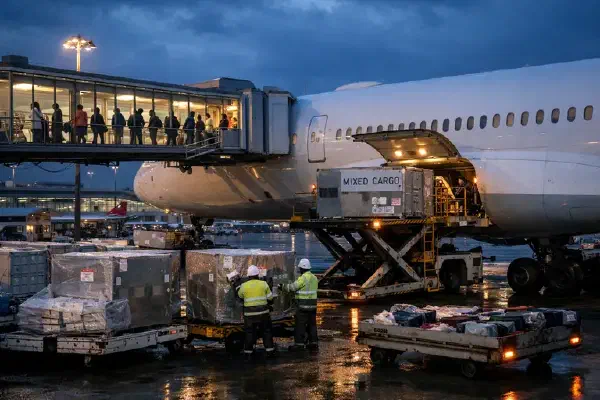
Airlines across Southeast Asia are reshaping regional mobility by deploying new aircraft to secondary cities, bypassing saturated megahubs ahead of the Q3 peak.
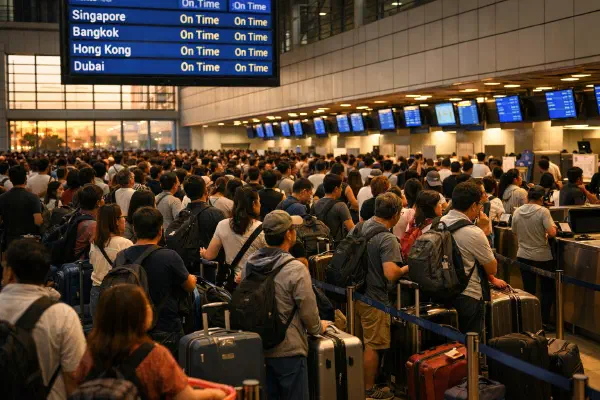
Philippine aviation demand is surging but infrastructure constraints and visa barriers mean the benefits are increasingly captured by ASEAN competitors with better capacity to serve high-yield travellers.