Southeast Asia is the connective tissue of SEA Weekly. This page brings together the themes that move across borders: manufacturing shifts, logistics upgrades, consumer demand, tourism recovery, and the regional sports calendar.
ASEAN’s Q3 supply-chain map is now priced by recovery time and auditability more than nominal cheapness, and the hierarchy is already visible in this week’s corridor reporting.
Singapore is anchoring ASEAN supply chain resilience by turning port, warehouse, air-cargo and finance integration into paid optionality as Q3 volatility rises.
Capital is available at the institutional level but not reaching ASEAN’s SME manufacturers — and Q3 freight costs are stretching cash cycles just as credit access tightens.
AI adoption in ASEAN trade finance is accelerating at the fraud and compliance layer — but the $2.5 trillion gap is unchanged because AI cannot yet reach the SME tier where the data infrastructure required for credit models barely exists.
The key ASEAN shift this week is not whether money is coming in, but where it is willing to stay. Investors are concentrating on execution-dense, policy-credible growth nodes and treating the rest of the region as higher-carry exposure.
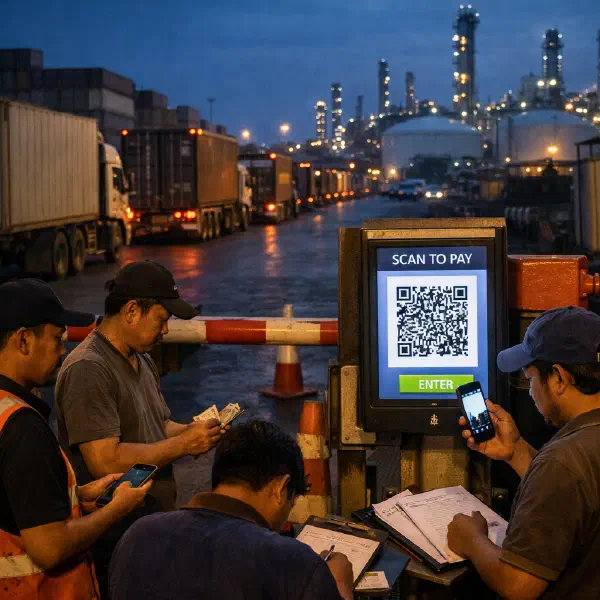
Cross-border QR payments are restructuring ASEAN’s micro-capital flows in real time — and Project Nexus, linking 1.7 billion people, is the moment the experiment becomes infrastructure.
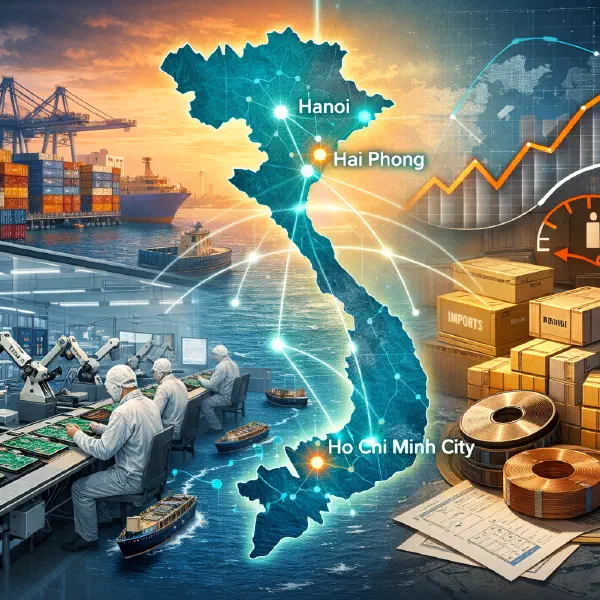
Vietnam’s electronics and industrial-input exports are recovering strongly, supported by FDI scale, better order flow, and ecosystem depth. But this is not yet a full value-capture recovery. Input imports are rising almost as quickly as exports, shipping costs have surged again, and origin-traceability pressure is increasing under US tariff scrutiny. The decisive question for H2 2026 is no longer whether exports rebound — it is whether Vietnam can protect margins and deepen local supplier capability before the next global shock.
Thailand is betting that fewer, higher-spending tourists can deliver more total revenue than the mass-market model. The luxury segment is genuinely winning on rate — Anantara properties posted a 23% RevPAR gain in Q1, and Phuket’s northern premium belt is operating at ADRs 43% above recent norms. But the volume side is deteriorating faster than the premium side is growing, and MICE — the sector supposed to anchor the high-yield strategy — is being hit by geopolitical disruption. The real winners in 2026 are operators who built structural advantages before TAT changed its messaging.
Malaysia’s 2026 story is becoming more internally driven than many investors expected. Domestic demand, benign inflation, a stronger ringgit and a still-active investment cycle are giving the country a more durable growth floor even as tariffs, commodity volatility and trade uncertainty cloud the external outlook.
The manufacturing contest between Indonesia and Vietnam is no longer about picking one winner. Vietnam remains the faster export platform; Indonesia is gaining importance as a hedge for tariffs, resources, and upstream scale. The smarter ASEAN supply-chain strategy now assigns each country a different role.
Singapore’s Q1 2026 GDP beat tells only part of the story. The more important development is a compounding feedback loop between AI infrastructure investment and financial services productivity — one the government is actively designing, not merely observing.
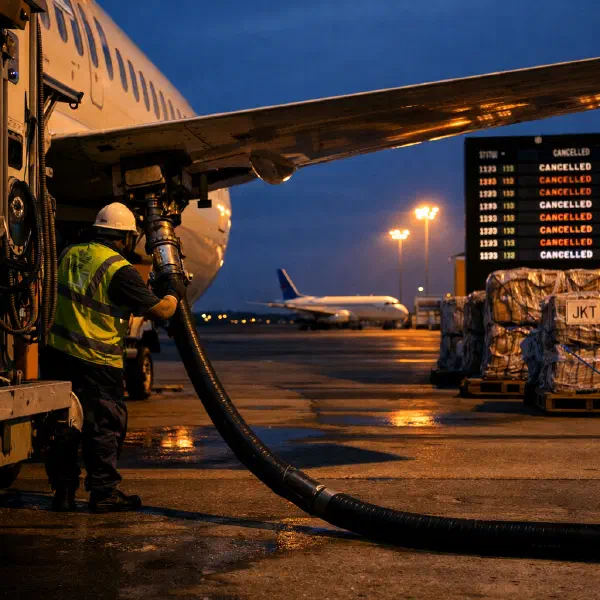
This week’s signal across ASEAN is clear: growth headlines matter less than who can absorb FX, energy, and working-capital shocks while still compounding capability.
This week’s biggest Southeast Asia stories show a region attracting capital at scale while still struggling to keep enough value, capability, and resilience at home.
Southeast Asia’s biggest economic stories this week share one pattern: governments are no longer just inviting capital — they are redesigning where margins sit.
Prabowo’s 8% commission cap is a labor story on the surface. Underneath it is a systematic nationalization of value capture in Indonesia’s platform economy — and Danantara’s dual role as owner and regulator is the most consequential development in SEA tech this year.