Thailand is Southeast Asia’s second largest economy, with a population of around 70 million and a highly diversified industrial base anchored by automotive manufacturing, food processing, and electronics. The country is consistently the most visited in the region, with Bangkok ranking among Asia’s top city destinations and coastal resorts in Phuket, Koh Samui, and Krabi sustaining a premium hospitality sector. Consumer credit, retail banking, and tourism-linked financial services drive domestic finance stories, while Muay Thai, football, and Formula E motorsport generate significant commercial and media value.
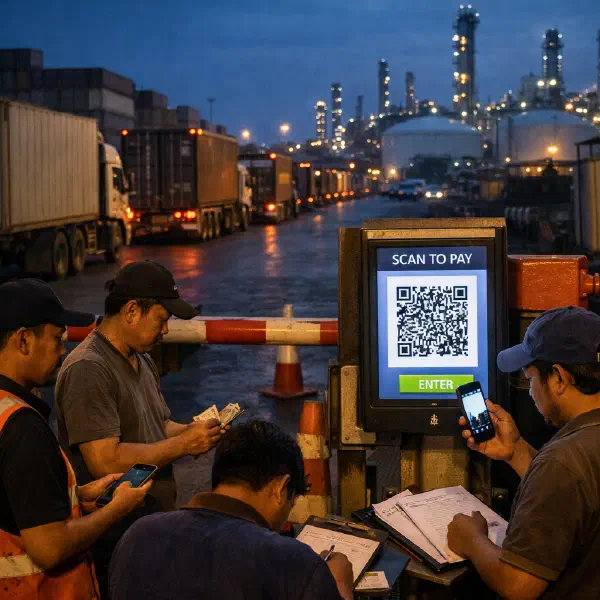
Cross-border QR payments are restructuring ASEAN’s micro-capital flows in real time — and Project Nexus, linking 1.7 billion people, is the moment the experiment becomes infrastructure.
Thailand is betting that fewer, higher-spending tourists can deliver more total revenue than the mass-market model. The luxury segment is genuinely winning on rate — Anantara properties posted a 23% RevPAR gain in Q1, and Phuket’s northern premium belt is operating at ADRs 43% above recent norms. But the volume side is deteriorating faster than the premium side is growing, and MICE — the sector supposed to anchor the high-yield strategy — is being hit by geopolitical disruption. The real winners in 2026 are operators who built structural advantages before TAT changed its messaging.
This week’s signal across ASEAN is clear: growth headlines matter less than who can absorb FX, energy, and working-capital shocks while still compounding capability.
This week’s biggest Southeast Asia stories show a region attracting capital at scale while still struggling to keep enough value, capability, and resilience at home.
The tariff anniversary week that mattered wasn’t for what it revealed about factories. It was for what it revealed about the alternative architecture Southeast Asia has been quietly building.
This week: Kredivo buys its way into Vietnam via the Timo acquisition, an IMF report confirms Thailand leads ASEAN in digital payments while scam losses mount, and Grab’s proposed voting rights restructure raises hard governance questions for the region’s largest super-app.
Three signals from one week: Vietnam becomes SEA’s first country with a binding AI law, Money20/20’s APAC report declares the region has moved from pilots to production, and the UBS OneASEAN Summit puts 4.9% GDP growth on the record.