Singapore is a city-state of roughly 5.9 million people that functions as the financial, logistics, and innovation capital of Southeast Asia. Its port is consistently ranked among the world’s busiest container terminals, Changi Airport serves as a primary regional hub, and the Monetary Authority of Singapore regulates one of Asia’s deepest capital markets. A concentration of wealth management, fund domiciling, and fintech licensing makes Singapore the default base for regional financial operations, while the Formula 1 night race, major conferences, and luxury hospitality underpin a high-yield business-travel economy.
This week’s ASEAN signal is not about growth; it is about systems integration — the markets where fintech infrastructure and industrial throughput are closing into a single investable stack are attracting better capital, on better terms, than those where the two layers are still moving on separate calendars.
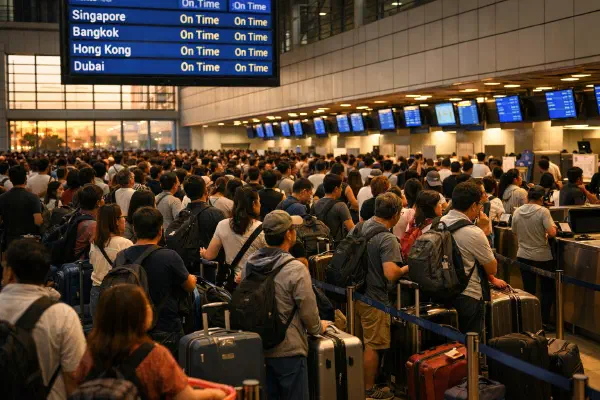
Airlines across Southeast Asia are reshaping regional mobility by deploying new aircraft to secondary cities, bypassing saturated megahubs ahead of the Q3 peak.
Philippine aviation demand is surging but infrastructure constraints and visa barriers mean the benefits are increasingly captured by ASEAN competitors with better capacity to serve high-yield travellers.
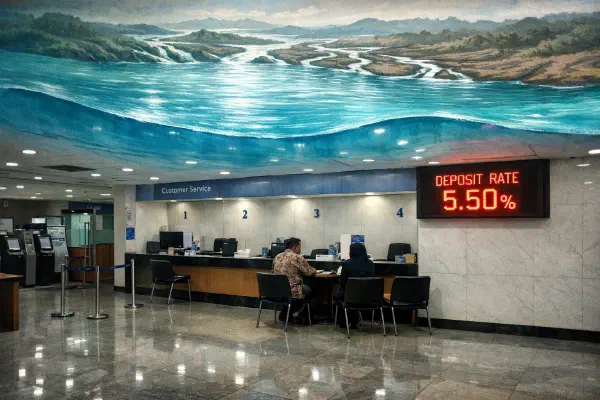
ASEAN loan growth numbers are hiding a deeper liquidity stress in the deposit base — and when liquidity tightens, loan growth is the last metric to turn.
Singapore’s institutional premium model and Malaysia’s consumer ecosystem model represent two fundamentally different answers to the same question — how to turn digital payments ubiquity into profit — and the gap between them is reshaping fintech strategy across ASEAN.
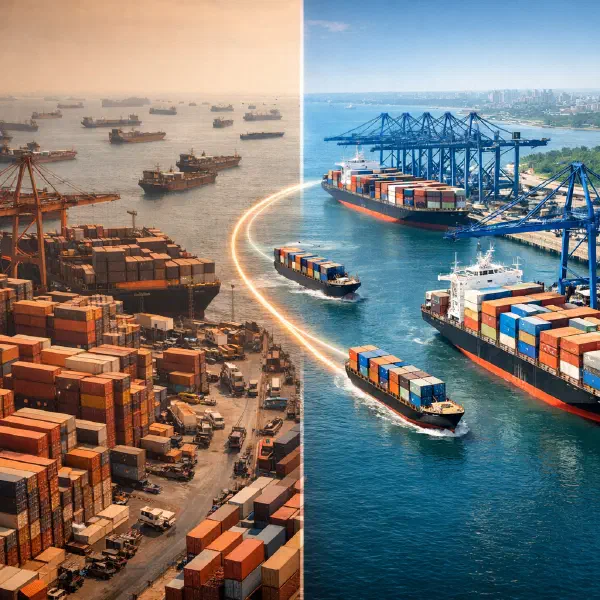
The key ASEAN shift this week is not whether money is coming in, but where it is willing to stay. Investors are concentrating on execution-dense, policy-credible growth nodes and treating the rest of the region as higher-carry exposure.
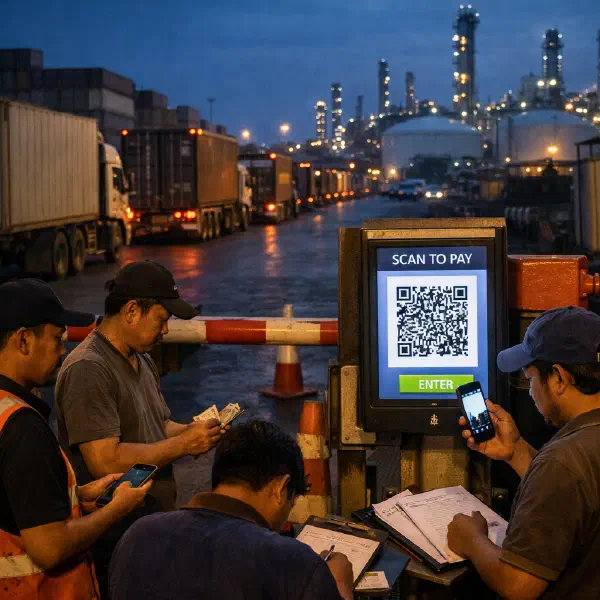
Cross-border QR payments are restructuring ASEAN’s micro-capital flows in real time — and Project Nexus, linking 1.7 billion people, is the moment the experiment becomes infrastructure.
Malaysia’s 2026 story is becoming more internally driven than many investors expected. Domestic demand, benign inflation, a stronger ringgit and a still-active investment cycle are giving the country a more durable growth floor even as tariffs, commodity volatility and trade uncertainty cloud the external outlook.
Singapore’s Q1 2026 GDP beat tells only part of the story. The more important development is a compounding feedback loop between AI infrastructure investment and financial services productivity — one the government is actively designing, not merely observing.
This week’s signal across ASEAN is clear: growth headlines matter less than who can absorb FX, energy, and working-capital shocks while still compounding capability.
Southeast Asia’s biggest economic stories this week share one pattern: governments are no longer just inviting capital — they are redesigning where margins sit.