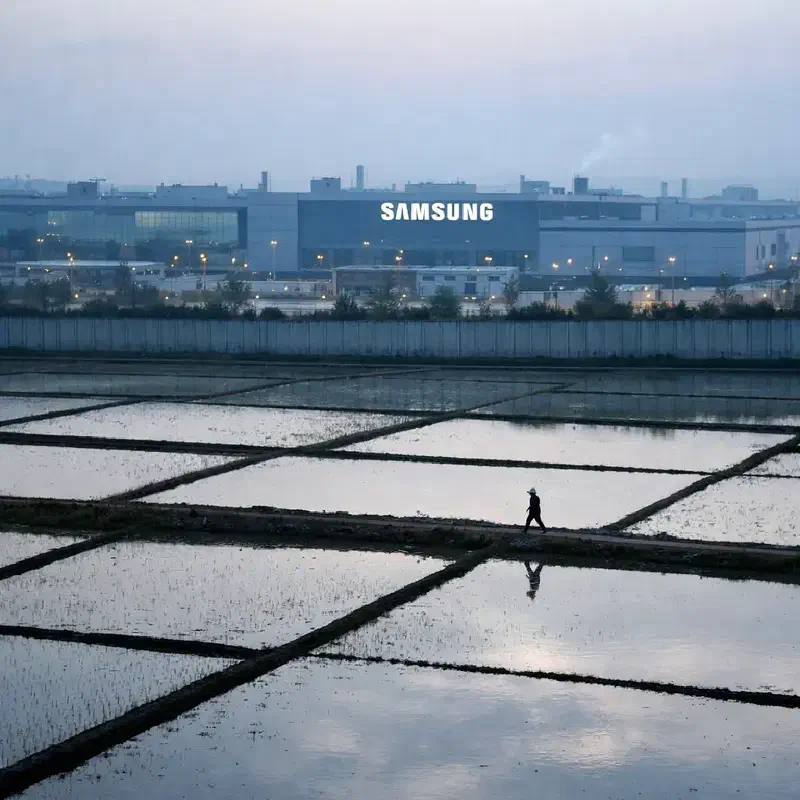
Vietnam is one of Southeast Asia’s fastest-growing economies, with a population of around 98 million and an export manufacturing sector that has become a primary beneficiary of global supply-chain diversification away from China. Electronics — led by Samsung and a growing cluster of component suppliers — now dominate merchandise exports, while a young, urbanising population fuels consumer demand for financial products, retail, and travel. Ho Chi Minh City and Hanoi anchor the business landscape, and beach destinations including Da Nang, Hoi An, and Phu Quoc are drawing increasing volumes of regional and long-haul visitors.
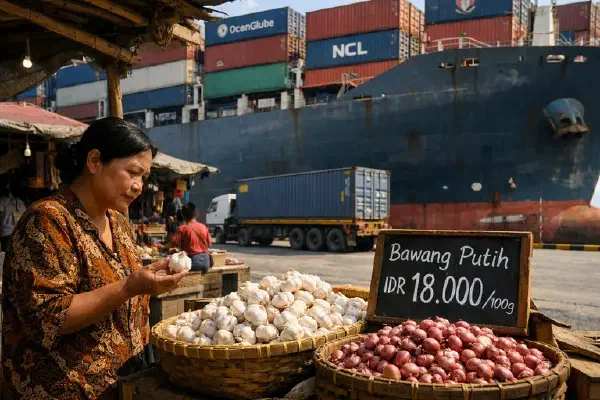
Indonesia’s June CPI data shows logistics costs already feeding consumer prices. The harder truth is that the full Q3 freight pass-through doesn’t land until Q4 — exactly when ASEAN central banks expect room to normalise.
Vietnam’s factory expansion is real. But the PMI headline at 52.8 is being carried by domestic safety-stock orders, not committed export bookings. The export order sub-index only barely turned positive in May. Until forward order depth improves, the H2 ASEAN export recovery thesis remains provisional — and Vietnam’s factory corridor is the clearest place to read that signal.
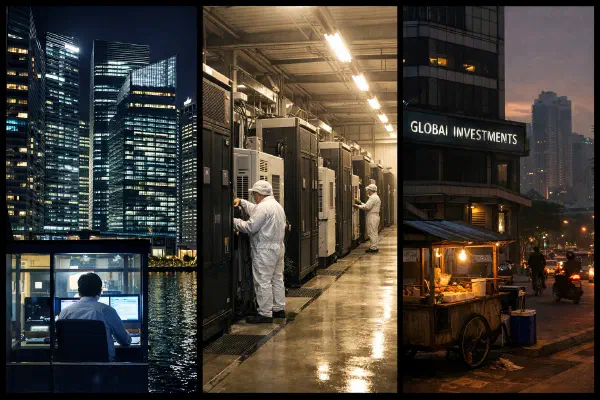
Three simultaneous repricing events are settling ASEAN’s H2 capital map. Thailand has emerged as the surprise winner — not through tourism or domestic consumption, but through AI data centre infrastructure. Indonesia’s governance premium is now a hard market fact. Singapore’s institutional moat is actively widening. The H2 growth competition was won on institutional quality, not growth rate.
Malaysia is pushing up the value ladder into semiconductor IP and advanced design while Vietnam is racing to close a localisation deficit in volume electronics manufacturing. Both strategies are legitimate. The competitive zone where they genuinely collide — advanced PCB, compound subassembly, precision electronics components — is where global supply chain investment decisions will be made and where both countries’ industrial policy ambitions are most directly tested.
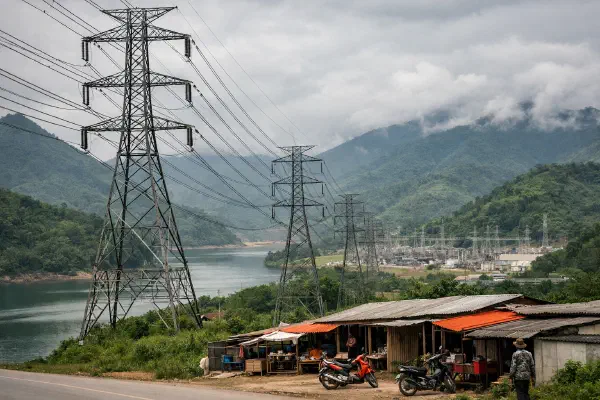
Laos is becoming more important to ASEAN’s power grid, but export scale alone will not repair the balance sheet unless Laos captures more value from transmission, PPAs, and domestic grid reform.
Commercial operators are retreating from ASEAN sports rights. Telecoms and state broadcasters are filling the gap. The structural repricing of sports sponsorship is now underway — and it will reshape who sponsors ASEAN sport, at what price, and through what channel.
This week’s ASEAN signal is not about growth; it is about systems integration — the markets where fintech infrastructure and industrial throughput are closing into a single investable stack are attracting better capital, on better terms, than those where the two layers are still moving on separate calendars.
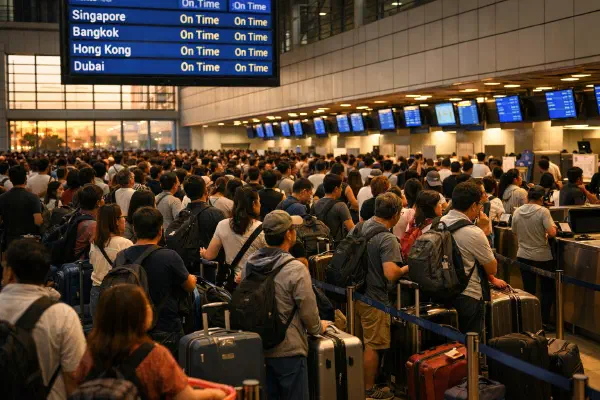
Philippine aviation demand is surging but infrastructure constraints and visa barriers mean the benefits are increasingly captured by ASEAN competitors with better capacity to serve high-yield travellers.
Vietnam’s export recovery is real, but logistics costs at 16–20% of GDP mean every freight-rate swing hits exporters harder here than anywhere else in ASEAN — and the US-Iran peace deal won’t deliver a clean cost reset.
Singapore’s institutional premium model and Malaysia’s consumer ecosystem model represent two fundamentally different answers to the same question — how to turn digital payments ubiquity into profit — and the gap between them is reshaping fintech strategy across ASEAN.
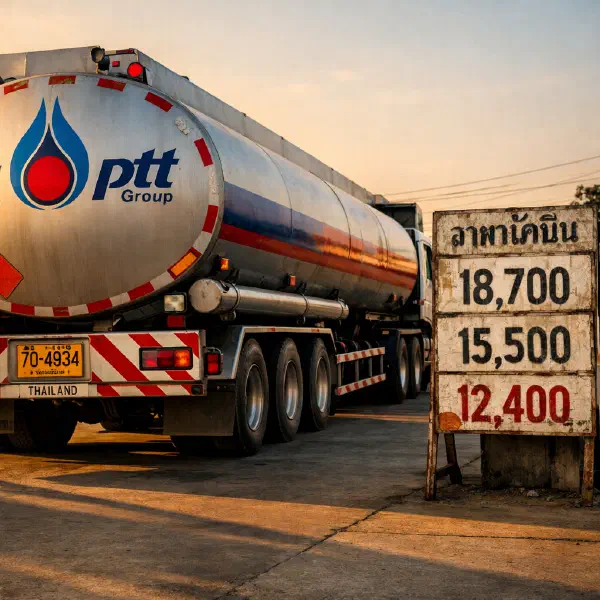
Laos inflation is running at 9% because the country is structurally pinned: it produces 83% of its energy from hydropower yet cannot keep Électricité du Laos solvent, and it has zero domestic refining capacity yet imports 97% of its fuel from Thailand.