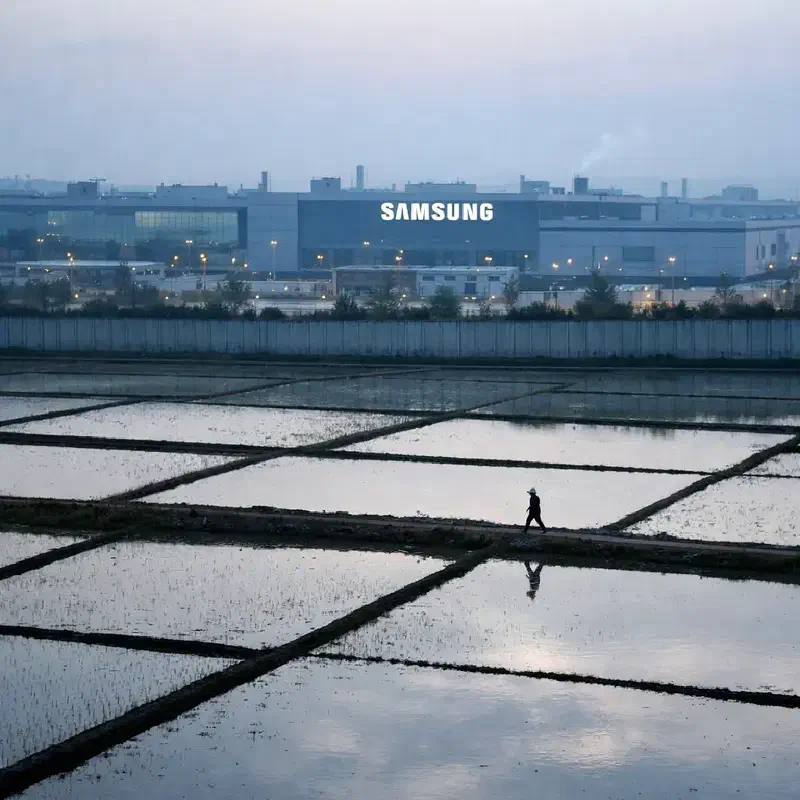
Vietnam is one of Southeast Asia’s fastest-growing economies, with a population of around 98 million and an export manufacturing sector that has become a primary beneficiary of global supply-chain diversification away from China. Electronics — led by Samsung and a growing cluster of component suppliers — now dominate merchandise exports, while a young, urbanising population fuels consumer demand for financial products, retail, and travel. Ho Chi Minh City and Hanoi anchor the business landscape, and beach destinations including Da Nang, Hoi An, and Phu Quoc are drawing increasing volumes of regional and long-haul visitors.
The key ASEAN shift this week is not whether money is coming in, but where it is willing to stay. Investors are concentrating on execution-dense, policy-credible growth nodes and treating the rest of the region as higher-carry exposure.
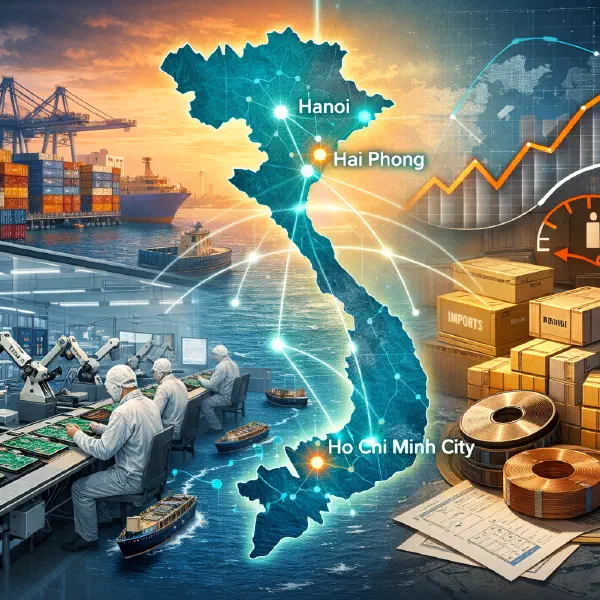
Vietnam’s electronics and industrial-input exports are recovering strongly, supported by FDI scale, better order flow, and ecosystem depth. But this is not yet a full value-capture recovery. Input imports are rising almost as quickly as exports, shipping costs have surged again, and origin-traceability pressure is increasing under US tariff scrutiny. The decisive question for H2 2026 is no longer whether exports rebound — it is whether Vietnam can protect margins and deepen local supplier capability before the next global shock.
Thailand is betting that fewer, higher-spending tourists can deliver more total revenue than the mass-market model. The luxury segment is genuinely winning on rate — Anantara properties posted a 23% RevPAR gain in Q1, and Phuket’s northern premium belt is operating at ADRs 43% above recent norms. But the volume side is deteriorating faster than the premium side is growing, and MICE — the sector supposed to anchor the high-yield strategy — is being hit by geopolitical disruption. The real winners in 2026 are operators who built structural advantages before TAT changed its messaging.
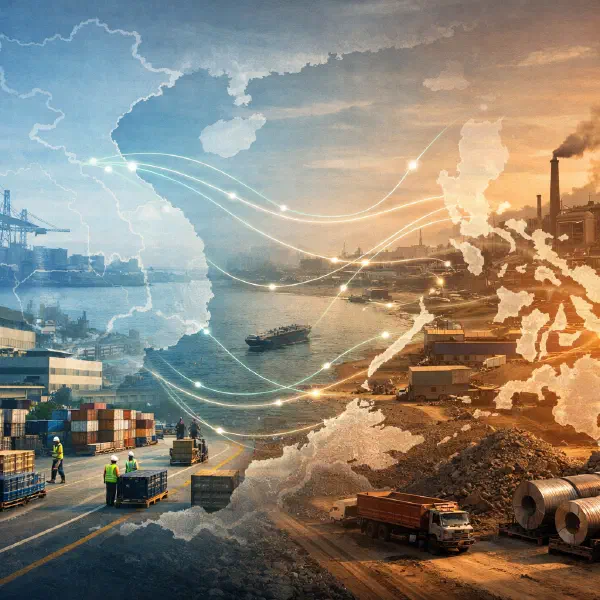
The manufacturing contest between Indonesia and Vietnam is no longer about picking one winner. Vietnam remains the faster export platform; Indonesia is gaining importance as a hedge for tariffs, resources, and upstream scale. The smarter ASEAN supply-chain strategy now assigns each country a different role.
This week’s signal across ASEAN is clear: growth headlines matter less than who can absorb FX, energy, and working-capital shocks while still compounding capability.
This week’s biggest Southeast Asia stories show a region attracting capital at scale while still struggling to keep enough value, capability, and resilience at home.
Money20/20 Asia called it: the infrastructure era is done. The BIS called out the structural fragility of the dollar-denominated rails it runs on. These are the same story, and OCBC’s dual move this week is the most honest answer either side has offered.
This week’s most important Southeast Asia fintech story is that macro stress is turning payment infrastructure from a convenience feature into an economic resilience tool.
Agentic commerce arrived in Southeast Asia this week, and the more interesting story is what the region’s payment platforms reveal about whether they’re ready to be where the agents shop.
The tariff anniversary week that mattered wasn’t for what it revealed about factories. It was for what it revealed about the alternative architecture Southeast Asia has been quietly building.