Finance coverage brings together bank strategy, lending activity, market performance, fintech expansion, and the capital raising stories shaping Southeast Asia. The region hosts some of the world’s most dynamic banking and capital-market systems — from Singapore’s deep asset-management pool and Malaysia’s sukuk leadership to the unbanked populations in frontier markets where mobile wallets are leapfrogging branch networks. Stories span listed conglomerates on Bursa and the Stock Exchange of Thailand through to seed-stage fintech startups competing for digital-lending licences.
Banking breadth: The region ranges from Singapore’s MAS-regulated global banks to community microfinance institutions serving rural populations in Myanmar and Cambodia
Islamic finance: Malaysia is the world’s largest sukuk market by issuance; Indonesia’s Islamic banking assets rank among the highest in any Muslim-majority country
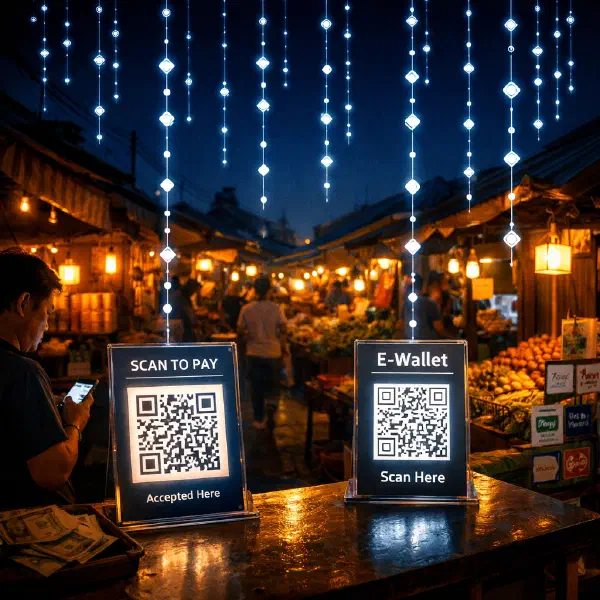
Fintech density: Southeast Asia has produced several fintech unicorns, with digital payment adoption accelerating across the Philippines, Vietnam, and Indonesia
Capital markets: Bursa Malaysia, the Stock Exchange of Thailand, and the Singapore Exchange are the region’s most liquid equity venues; Vietnam and Indonesia are fast-growing exchanges to watch
Remittances: The Philippines and Vietnam receive two of the largest remittance inflows in Asia, creating a distinct consumer-finance dynamic in both markets
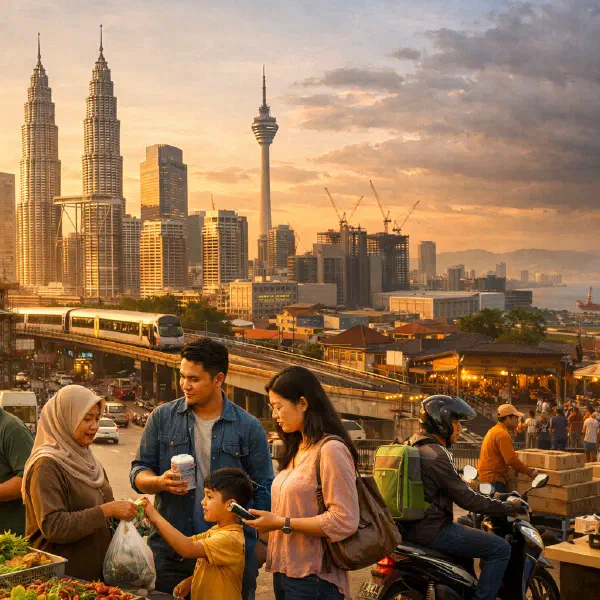
Malaysia’s 2026 story is becoming more internally driven than many investors expected. Domestic demand, benign inflation, a stronger ringgit and a still-active investment cycle are giving the country a more durable growth floor even as tariffs, commodity volatility and trade uncertainty cloud the external outlook.
Singapore’s Q1 2026 GDP beat tells only part of the story. The more important development is a compounding feedback loop between AI infrastructure investment and financial services productivity — one the government is actively designing, not merely observing.
This week’s signal across ASEAN is clear: growth headlines matter less than who can absorb FX, energy, and working-capital shocks while still compounding capability.
This week’s biggest Southeast Asia stories show a region attracting capital at scale while still struggling to keep enough value, capability, and resilience at home.
Money20/20 Asia called it: the infrastructure era is done. The BIS called out the structural fragility of the dollar-denominated rails it runs on. These are the same story, and OCBC’s dual move this week is the most honest answer either side has offered.
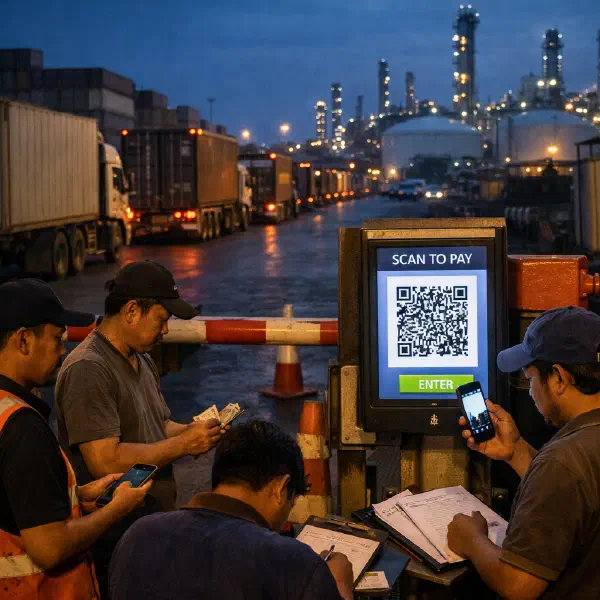
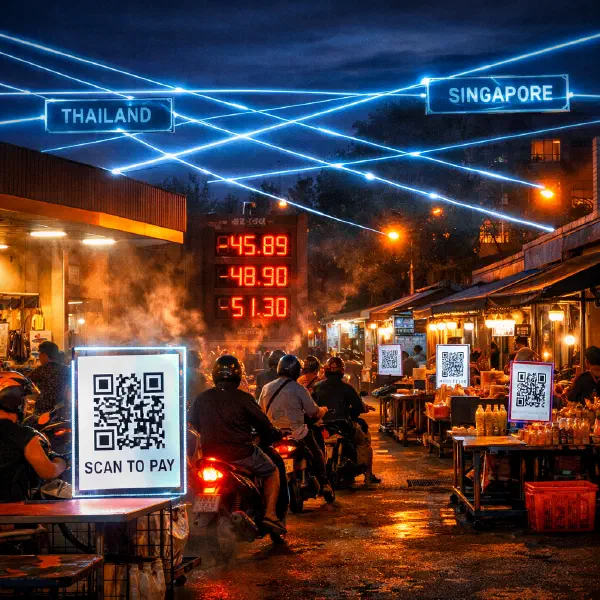
This week’s most important Southeast Asia fintech story is that macro stress is turning payment infrastructure from a convenience feature into an economic resilience tool.
Agentic commerce arrived in Southeast Asia this week, and the more interesting story is what the region’s payment platforms reveal about whether they’re ready to be where the agents shop.
The tariff anniversary week that mattered wasn’t for what it revealed about factories. It was for what it revealed about the alternative architecture Southeast Asia has been quietly building.
This week: Kredivo buys its way into Vietnam via the Timo acquisition, an IMF report confirms Thailand leads ASEAN in digital payments while scam losses mount, and Grab’s proposed voting rights restructure raises hard governance questions for the region’s largest super-app.
Three signals from one week: Vietnam becomes SEA’s first country with a binding AI law, Money20/20’s APAC report declares the region has moved from pilots to production, and the UBS OneASEAN Summit puts 4.9% GDP growth on the record.