
The question being asked wrong across ASEAN is: which government is winning fiscal space? The answer people reach for points to commodity exporters — Malaysia, Brunei — and stops there. That framing misses what is actually happening.
The governments gaining real fiscal room in mid-2026 are not just the ones collecting higher oil revenue. They are the ones that reformed subsidies before the crisis made it necessary.
The Shock Is Asymmetric #
Crude oil at around $90 a barrel — sustained by the US-Iran conflict’s closure of the Strait of Hormuz — has created an asymmetric fiscal shock across the region. For net exporters, revenues are up. For net importers operating politically-managed fuel price systems, the bill for maintaining subsidies is climbing fast.
The IMF’s April 2026 Fiscal Monitor — titled “Fiscal Policy under Pressure: High Debt, Rising Risks” — put the global framing plainly: governments face a simultaneous squeeze of elevated debt, rising rates, and commodity subsidy pressure. In ASEAN, that squeeze falls unevenly. Not all importers are equal.
Indonesia: The Burden That Moved, Not Disappeared #
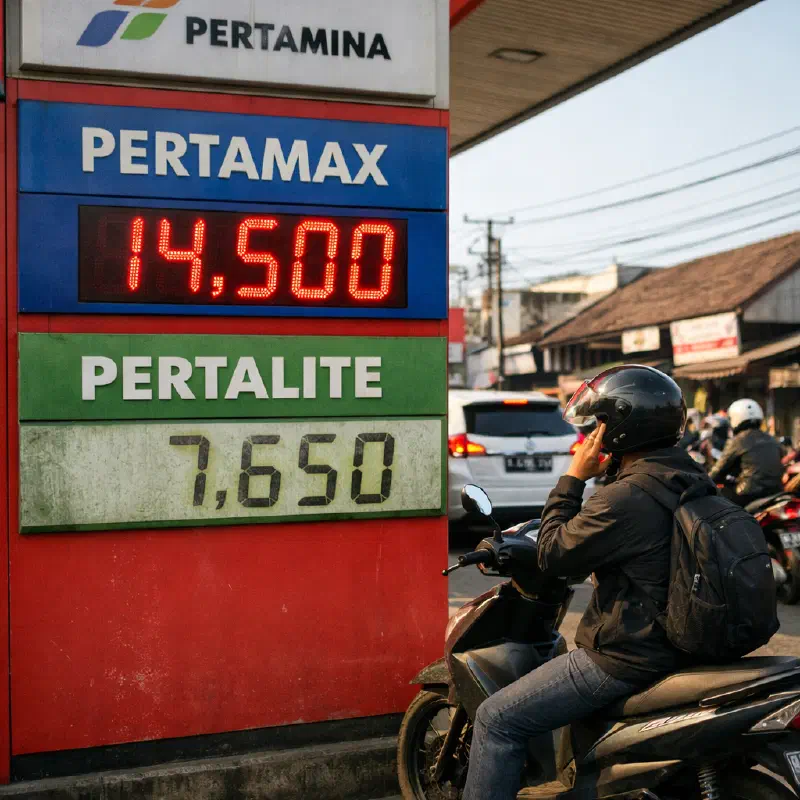
Indonesia’s story this week is the clearest demonstration of the problem. Pertamina hiked Pertamax — the premium fuel tier — by 32.11% on June 10, citing high global oil prices. The pass-through was real and politically costly, but the Indonesian parliament’s response was immediate: a House commission chairman warned that the hike would push consumers toward Pertalite, the cheaper, fully subsidized tier, expanding the fiscal bill rather than reducing it (Jakarta Post, June 11, 2026).
This is the subsidy paradox in plain view. A partial price hike on the premium tier shifts the demand curve downward — toward the government-bearing tier. The fiscal pressure does not clear; it migrates. What looked like fiscal relief is partly accounting reclassification.
Bank Indonesia’s out-of-schedule rate hike on June 9 to stabilise the rupiah complicated the picture further (CNA Commentary, June 9, 2026). Indonesian bonds resumed their selloff despite the hike, with market confidence still fragile (Bloomberg, June 11, 2026). The government’s June 10 economic “pivot” — signalled by the National Economic Council — was described by analysts as sending assurance but falling short of the “firmer measures needed” to resolve underlying imbalances (Jakarta Post, June 10, 2026).
The monetary and fiscal sides are pulling in opposite directions. That is not a stable posture going into H2.
Thailand: Legacy Debt, New Pressure #
Thailand’s fiscal position is complicated by a different problem: the ~40 billion baht in subsidy-era debt accumulated from prior energy regulator interventions — a fact this column covered in the May 24 SEA Weekly. That legacy wasn’t resolved before the current energy price surge; it is now being compounded by it.
Capital is leaving Thai equities and the baht is declining, with K-Asset flagging stretched domestic valuations (Bangkok Post, June 10–11, 2026). The political response — Thailand is reportedly inching toward a negative income tax scheme, an expansion of fiscal support — runs counter to what the debt position argues for. Expanding fiscal outlays when the baseline position is already strained is a bet on growth recovery absorbing the cost. That bet is harder to win when energy costs are structurally elevated.
Where the Fiscal Room Actually Is #
Malaysia’s position is structurally better — not just because Petronas revenues are higher, but because the Madani government’s 2023–2025 subsidy rationalization created a lower structural baseline. Diesel subsidies were targeted and partially reformed. The RON95 reform process, while incomplete, reduced the universality of the subsidy exposure. When oil moved to $90, Malaysia’s fiscal shock absorber engaged on a smaller surface area.
The Philippines has a similar — if less institutionally deliberate — advantage: consumer fuel prices have historically seen more pass-through than Indonesia or Thailand. The subsidy structure is thinner. That translated into less fiscal shock when oil prices jumped. Remittance inflows continue to cushion household demand, as this column noted in the June 8 Philippines analysis, providing coverage the government’s fiscal position alone could not.
The Non-Obvious Read #
The reform window for ASEAN’s subsidy-exposed economies is not closed — but it is narrowing in a counterintuitive direction. High oil prices make subsidy reform politically easier to justify (the cost is visible to everyone) but harder to execute cleanly (consumers are already stressed, and any downward migration in demand shifts the fiscal bill onto the subsidized tier).
Indonesia has the most to gain from completing a structural Pertalite reform, but the political economy of doing so while the rupiah is under pressure and bond markets are skittish is genuinely difficult. Thailand needs to resolve its legacy energy debt before adding new fiscal commitments — the sequencing matters.
For market participants, the practical signal going into H2 is this: fiscal credibility in ASEAN in 2026 correlates more closely with the reform decisions made in 2023–2025 than with the commodity price environment of the moment. Malaysia and the Philippines hold more room to maneuver. Indonesia and Thailand are operating closer to their fiscal ceilings. That distinction will show up in sovereign spread compression — or the absence of it — as H2 planning locks in.
References:
- IMF Fiscal Monitor (April 2026). “Fiscal Policy under Pressure: High Debt, Rising Risks.” https://www.imf.org/en/publications/fm/issues/2026/04/15/fiscal-monitor-april-2026 (Accessed June 11, 2026)
- Jakarta Post (June 10, 2026). “Pertamina hikes Pertamax prices by 32% amid high oil prices.” https://www.thejakartapost.com/business/2026/06/10/pertamina-hikes-pertamax-prices-by-32-amid-high-oil-prices (Accessed June 11, 2026)
- Jakarta Post (June 11, 2026). “House warns of consumer shift to subsidized fuels after Pertamax price hike.” https://www.thejakartapost.com/business/2026/06/11/house-warns-of-consumer-shift-to-subsidized-fuels-after-pertamax-price-hike (Accessed June 11, 2026)
- Jakarta Post (June 10, 2026). “Indonesia’s economic pivot calms markets, but firmer measures needed.” https://www.thejakartapost.com/business/2026/06/10/govts-economic-pivot-sends-assurances-but-firmer-measures-needed (Accessed June 11, 2026)
- CNA Commentary (June 9, 2026). “Indonesia hits the panic button over the rupiah.” https://www.channelnewsasia.com/commentary/indonesia-rupiah-interest-rate-hike-prabowo-6173676 (Accessed June 11, 2026)
- Bloomberg (June 11, 2026). “Indonesia Bond Selloff Resumes as Rate Hike Fails to Stem Rout.” https://www.bloomberg.com/news/articles/2026-06-11/indonesian-bonds-resume-decline-as-market-confidence-stays-weak (Accessed June 11, 2026)
- Bangkok Post (June 10, 2026). “Capital flees Thai stocks as baht continues to decline.” https://www.bangkokpost.com/business/investment/3268459/capital-flees-thai-stocks-as-baht-continues-to-decline (Accessed June 11, 2026)
- Bangkok Post (June 11, 2026). “K-Asset flags stretched Thai valuations.” https://www.bangkokpost.com/business/investment/3269208/kasset-flags-stretched-thai-valuations (Accessed June 11, 2026)